1. Executive Summary
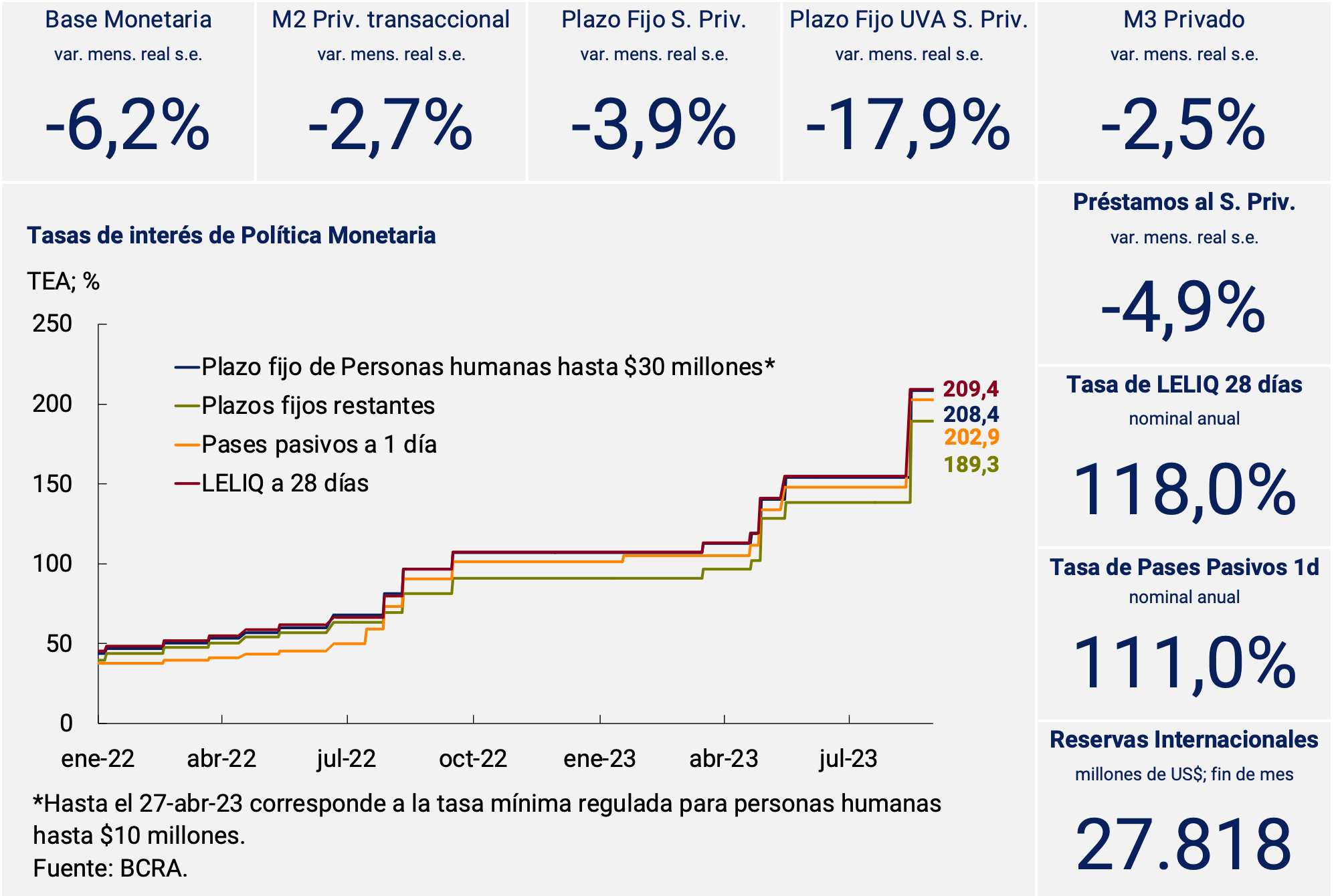
After the Primary, Open, Simultaneous and Mandatory (PASO) elections, the BCRA, in a context of high financial volatility, recalibrated the level of the official exchange rate with the aim of favoring the accumulation of international reserves. In the same vein, and in order to mitigate the transfer of the devaluation to prices and to tend towards positive real returns on investments in local currency, the reference interest rates and fixed-term deposits were simultaneously readjusted.
The private sector’s fixed-term deposits in pesos measured at constant prices, which had verified a reduction in the first half of the month, recovered after the interest rate hike promoted by the BCRA. However, they presented a contraction in the average monthly variation. On the other hand, means of payment continued to show a decline in real terms and remained at the lowest levels in recent decades. Thus, the private M3 once again showed a real contraction without seasonality in August.
Finally, it should be noted that within the framework of the fifth and sixth reviews of the Extended Facilities Program (PFE), the disbursement of approximately US$7,300 million was received from the IMF, which made it possible to strengthen the International Reserves and advance the next payment in September for US$950 million.
2. Payment methods
Means of payment (private transactional M21), in real and seasonally adjusted terms (s.e.), would have registered a contraction of 2.7% in August, and thus would accumulate a fall of around 16.3% in the year. This dynamic was mainly due to the behavior of the circulating currency held by the public, which continued to set new historical lows. Meanwhile, non-interest-bearing demand deposits showed a slight decline (see Figure 2.1). Thus, at constant prices, private transactional M2 would be 19.1% below the level of August 2022.
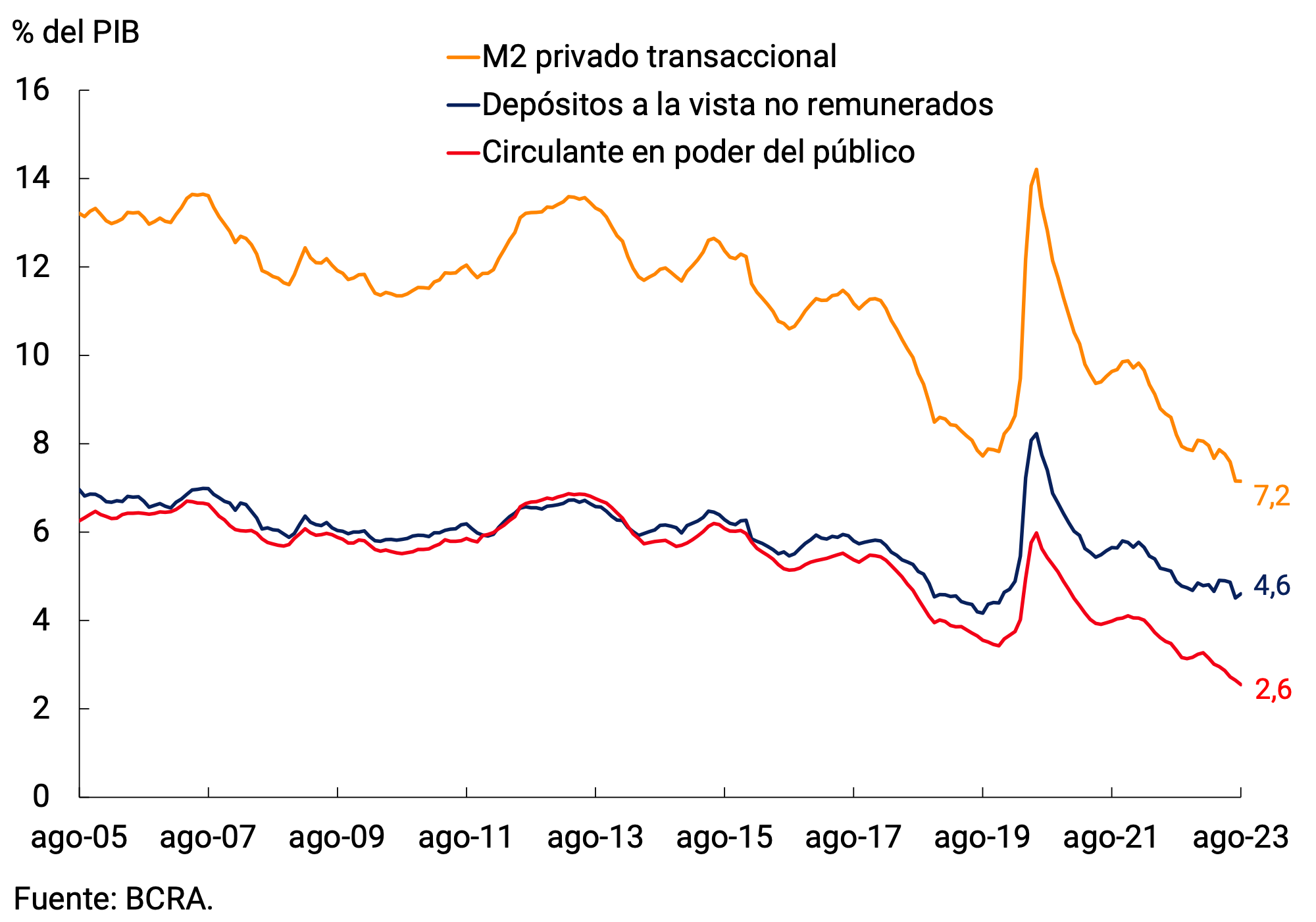
As a Product ratio, means of payment would have stood at 7.2%, remaining practically unchanged compared to the previous month (see Graph 2.2). Both components of the means of payment remained in terms of GDP at around the lowest levels of the last 20 years.
Figure 2.1 | Private transactional M2 at constant
prices Contribution by component to the monthly vari. s.e.
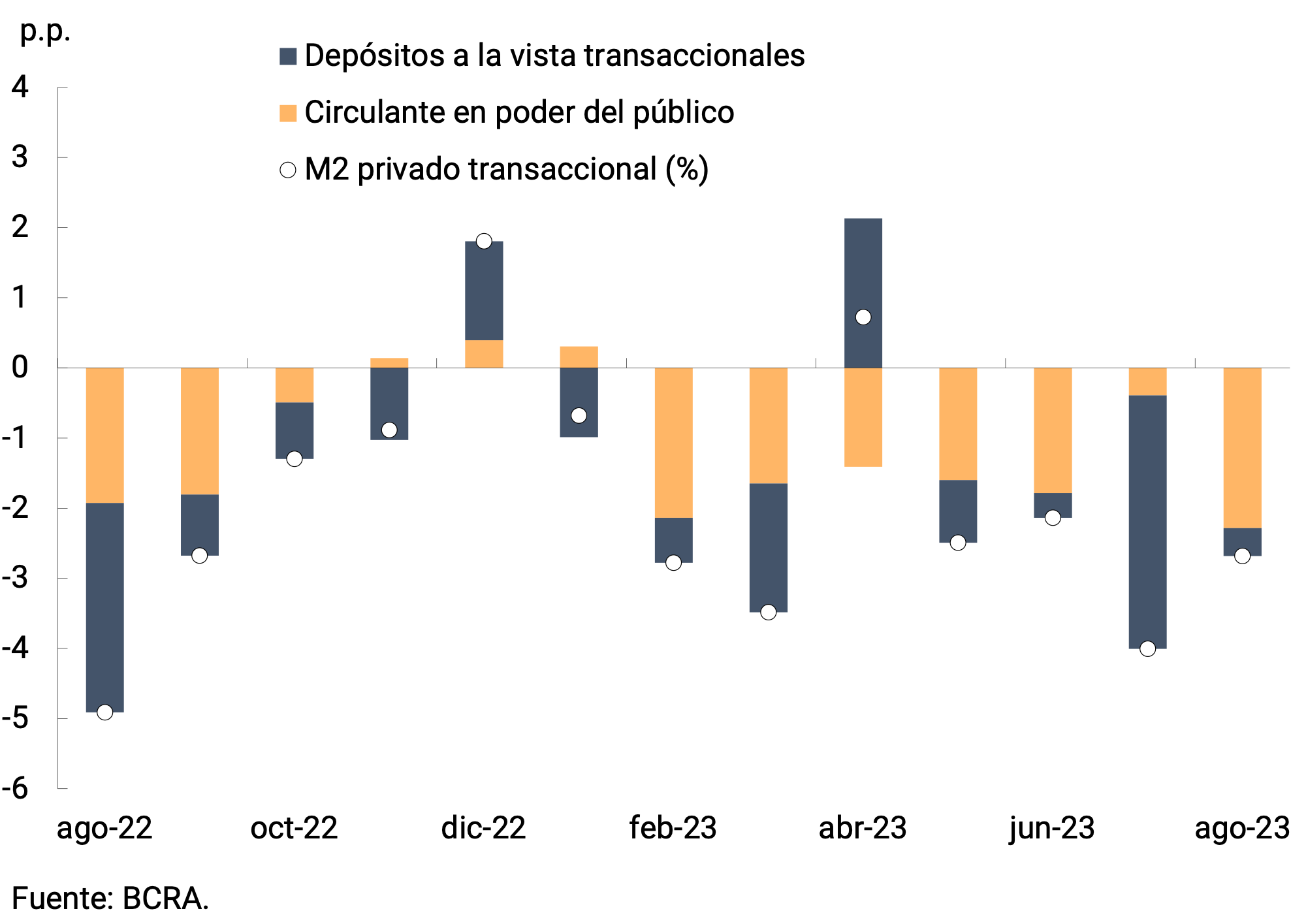
Figure 2.2 | Private transactional M2
3. Savings instruments in pesos
In line with the readjustment of interest rates on monetary policy instruments, the Board of Directors of the BCRA decided to increase the minimum guaranteed rates on fixed-term deposits2. In this way, the aim was to maintain the incentive to save in domestic currency and contribute to financial and exchange rate balance. Specifically, the monetary authority raised the minimum guaranteed interest rate for placements by individuals from 97% n.a. to 118% n.a., which is equivalent to an effective monthly yield of 9.7%. Meanwhile, for the rest of the depositors in the financial system, the minimum guaranteed interest rate rose from 90% n.a. to 111% n.a., with the effective monthly interest standing at 9.2%3.
The evolution of time deposits throughout the month was not homogeneous. In fact, on the Monday after the PASO there was a nominal drop, which can be explained by the seasonality of these placements on Mondays and the announcement of the new interest rates for these deposits that would come into effect from Tuesday, which implied an increase in profitability by delaying the renewal of the placements by one day. Thus, in the following days, a reversal in the dynamics was observed (see Figure 3.1).
However, fixed-term deposits in pesos in the private sector would have experienced a contraction of 3.9% s.e. at constant prices in the month. In any case, these placements remained around the highest levels in recent decades. In the same sense, as a percentage of GDP they would have stood at 7.4% in August (0.1 p.p. below the July figure).
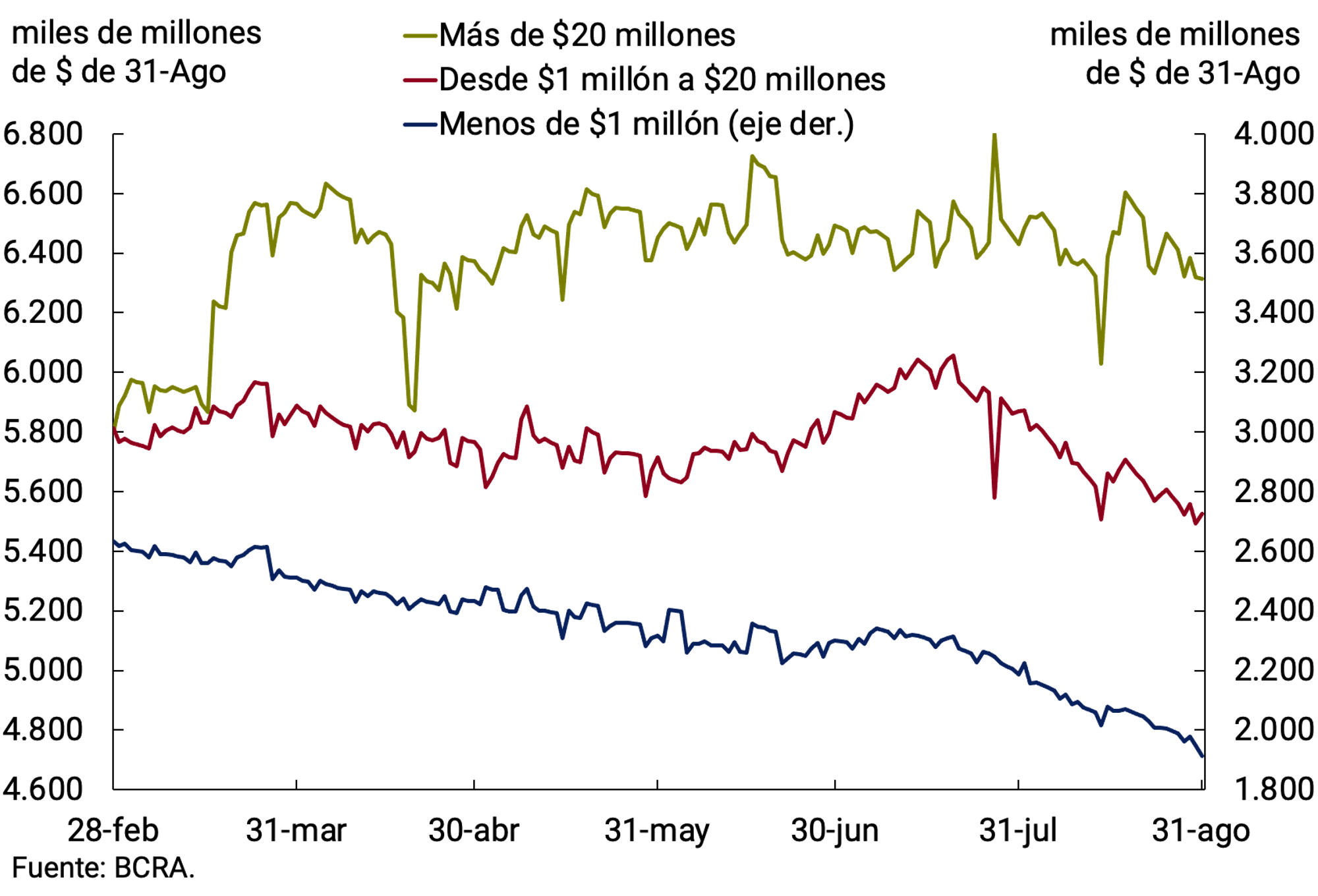
By strata of amount, the wholesale segment (more than $20 million) was the one that showed the best performance, maintaining a balance in real terms similar to that observed since June (see Figure 3.2). By type of holder, Financial Services Providers (FSPs) increased their holdings at constant prices and, in particular, Mutual Funds for Money Market Investments (FCI MM), whose equity increased 3.4% s.e. at constant prices. These agents also drove the growth of interest-bearing demand deposits, which registered an increase of 7.7% s.e. in real terms. In the case of the other companies, a drop was observed on average in the month. On the other hand, placements of $1 to $20 million and less than $1 million showed a decrease throughout the month.
Figure 3.1 | Time deposits by type of instrument
At constant prices
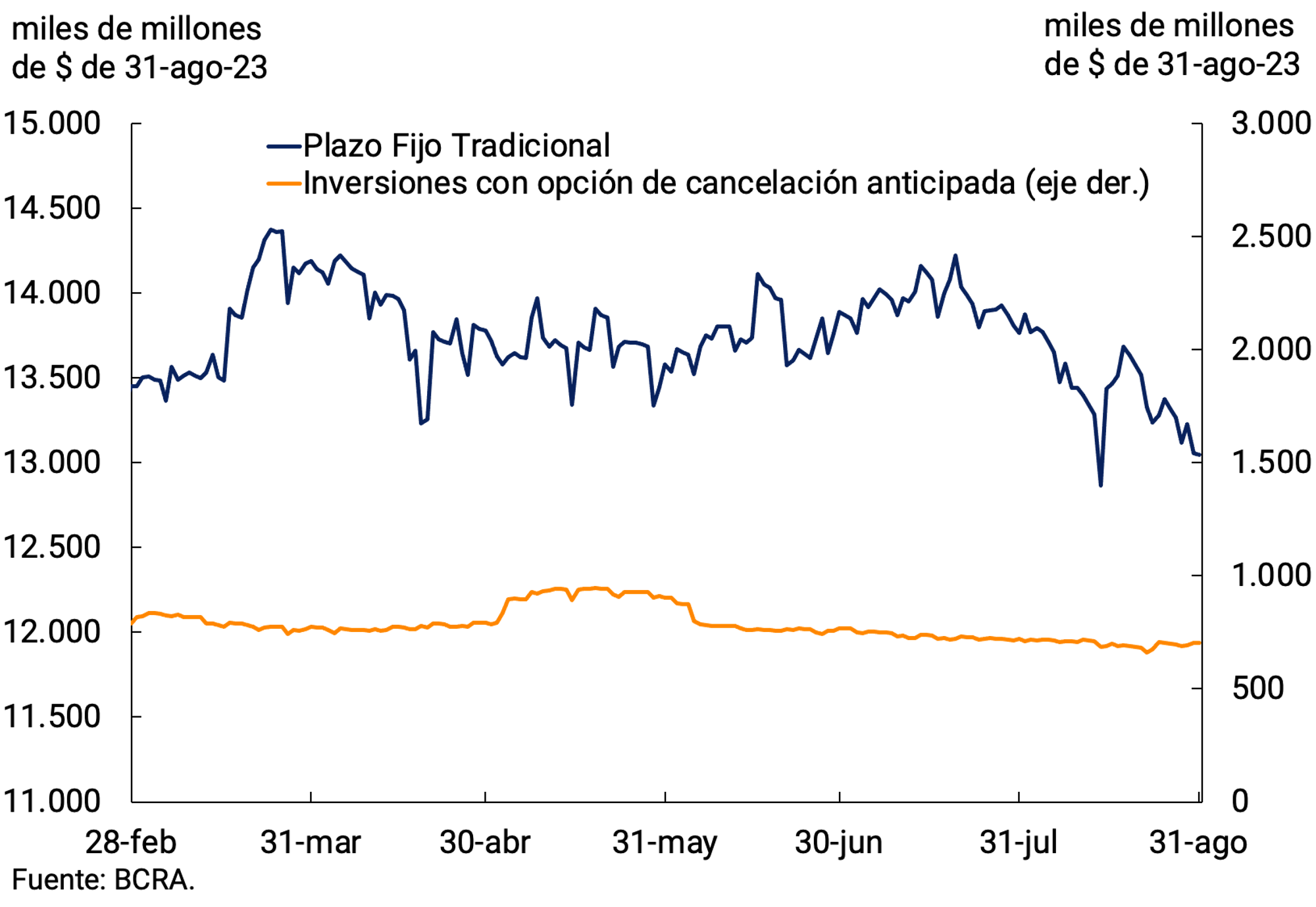
Figure 3.2 | Fixed-term deposits by amount
stratum At constant prices
The segment of fixed-term deposits adjustable by CER continued to show a decrease in real terms, accumulating 13 consecutive months of contraction. The decrease was verified in both traditional and pre-cancellable UVA placements, whose monthly rates of change were -13.9% s.e. and -21.2% s.e., respectively, accelerating their rate of decline compared to previous months (see Figure 3.3). Distinguishing by type of holder, the decrease was mainly due to the dynamics of placements by individuals, which accounted for approximately 70% of the total. All in all, the balance of deposits in UVA reached $272,400 million at the end of August, which is equivalent to 2% of the total of term instruments denominated in domestic currency.
Figure 3.3 | Fixed-term deposits in UVA of the private
sector Balance at constant prices by type of instrument
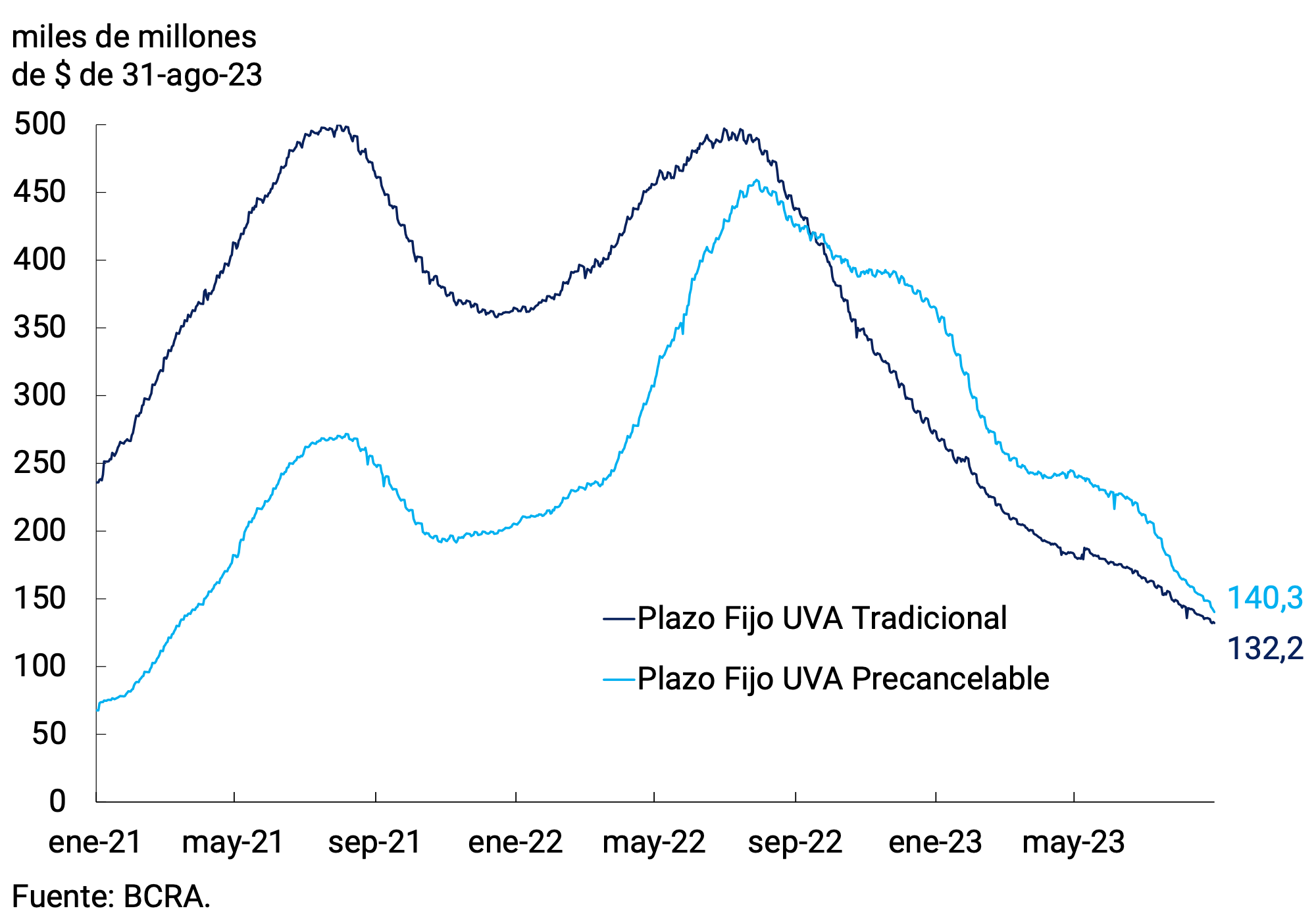
Figure 3.4 | Deposits adjustable by exchange
rate Balance at current prices
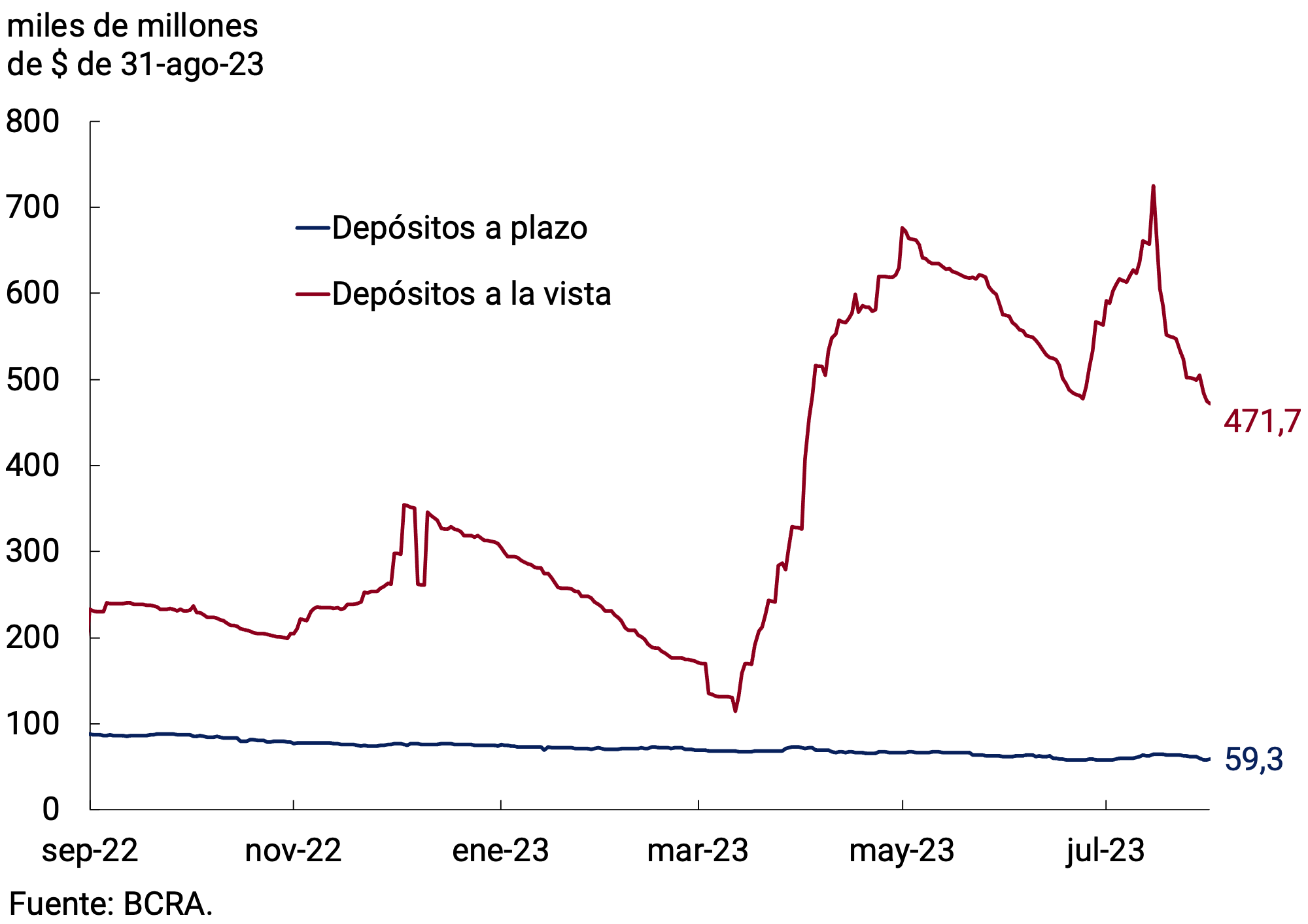
On the other hand, deposits adjusted for the value of the reference exchange rate, although they experienced an increase on average for the month, the behavior within the period under analysis was not homogeneous. In fact, demand deposits adjusted for exchange rates grew until the middle of the month, and then experienced a fall. This behavior was partly explained by the slowdown in the operations of the Export Increase Program (PIE) in the second half of the month. The announcement of the freezing of the exchange rate had a similar impact, which could have motivated the partial use of these funds. All in all, this type of deposits experienced an average monthly expansion of 5% at constant prices, favored by the carry-over effect of the previous month, and a fall of 22.5% in real terms between balances at the end of the month. Meanwhile, fixed-term deposits adjusted for the exchange rate reached a balance of $59,250 million at the end of the month, which implied an average monthly contraction of 0.8% at constant prices (see Figure 3.4).
All in all, the broad monetary aggregate, private M3, at constant prices and adjusted for seasonality, would have exhibited a monthly fall of 2.5% in August4. In the year-on-year comparison, this aggregate would have registered a decrease of 5.7% and as a percentage of GDP it would have stood at 16.9%, remaining stable with respect to the previous month’s record.
4. Monetary base
The Monetary Base stood at an average of $6,422.7 billion in August, which implied a monthly expansion of 4.8% (+$293,790 million) at current prices. Adjusted for seasonality and at constant prices, it would have exhibited a decrease of 6.2%, accumulating a drop of 33% in the last twelve months. As a GDP ratio, the Monetary Base would stand at 3.6%, a figure 0.1 p.p. lower than the value recorded the previous month and around the lowest values since the exit from convertibility (see Chart 4.1).
Figure 4.1 | Monetary base
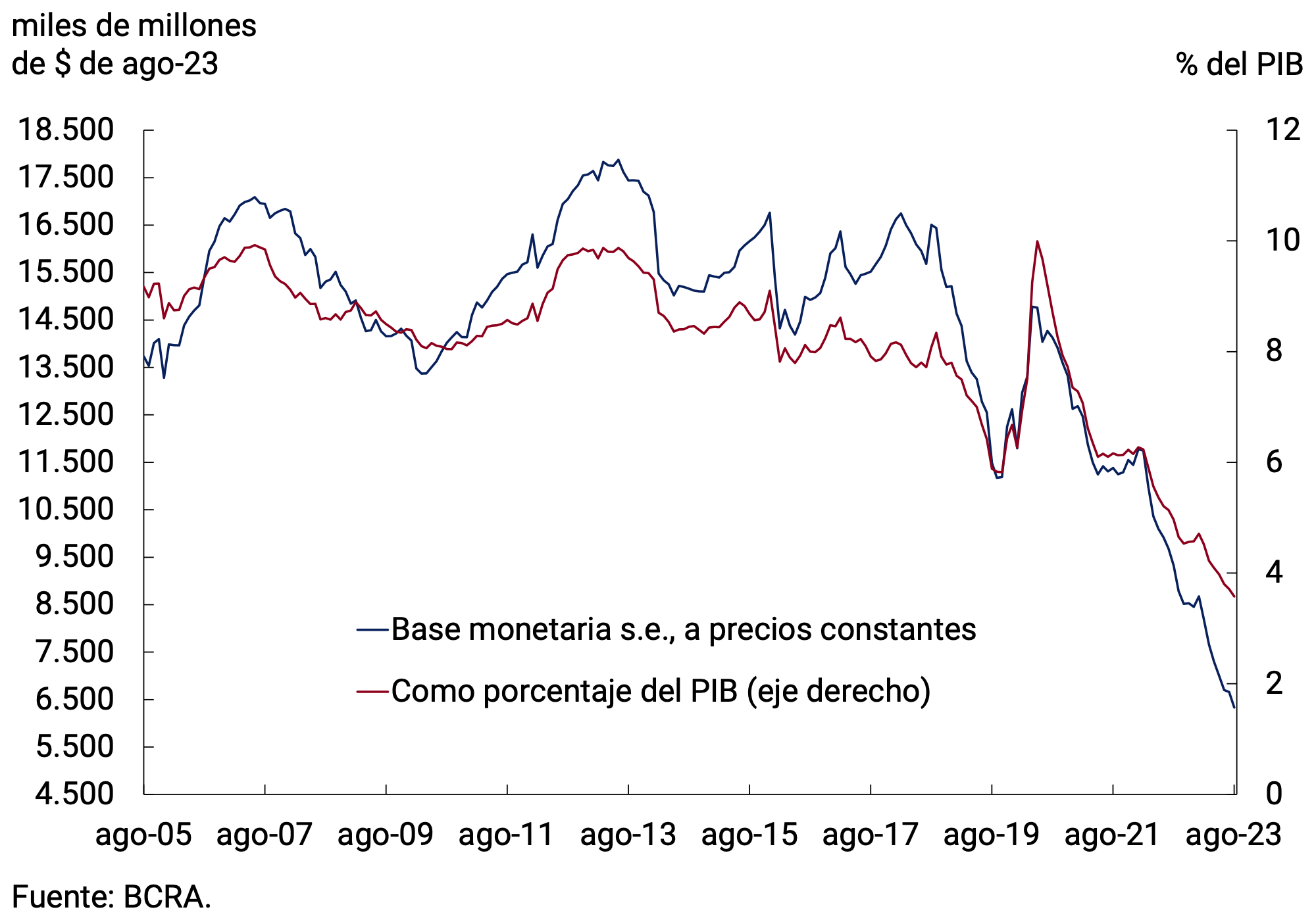
Figure 4.2 | Factors explaining the Monetary Base
Average monthly change
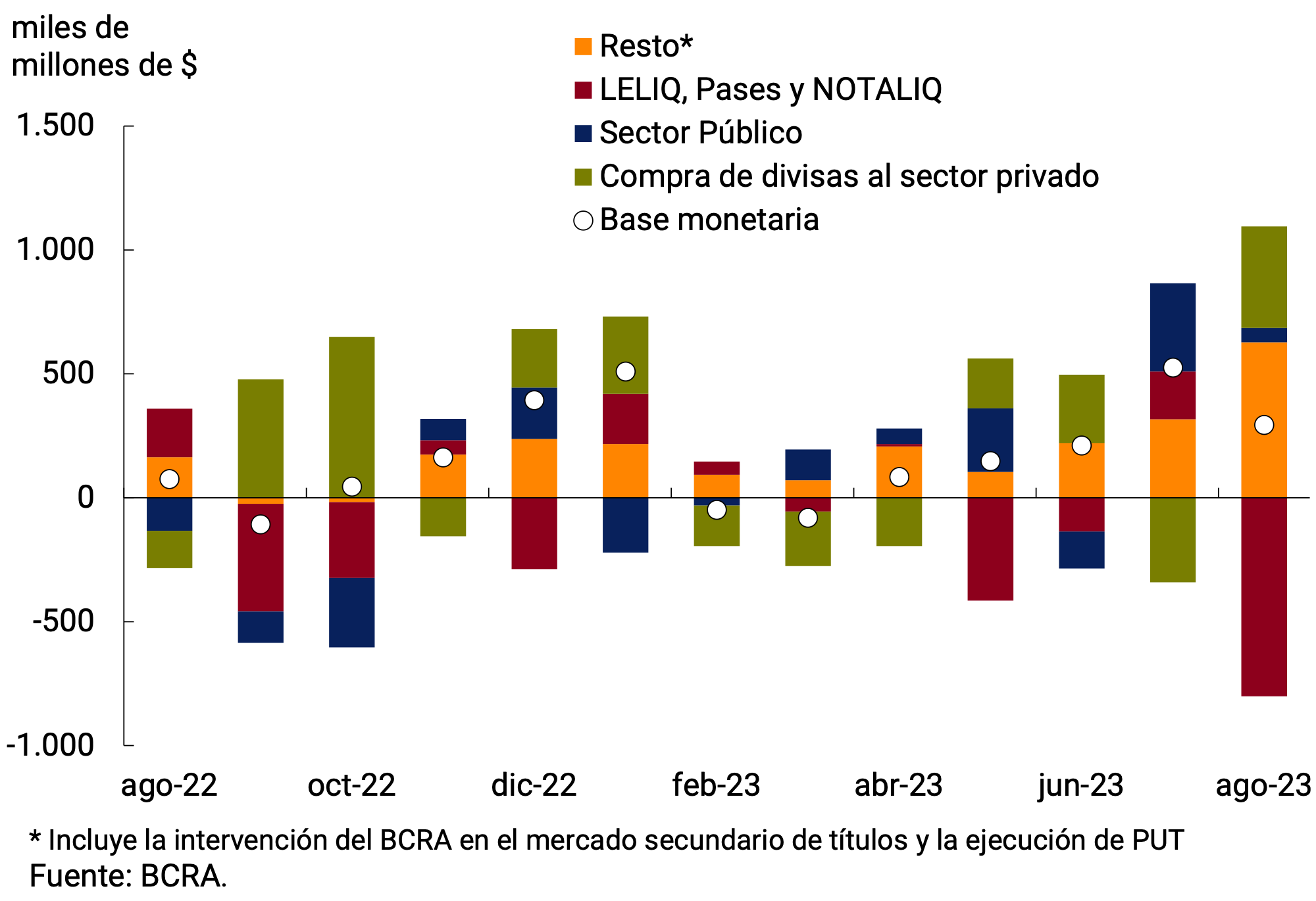
On the supply side, one of the main factors of monthly expansion of the monetary base was the net purchase of foreign currency from the private sector. Prior to the exchange rate correction, it was driven by the operations carried out within the framework of the Export Increase Program; while, subsequently, the impetus came from operations with the rest of the private sector. Operations with public securities in the secondary market and the execution of put option contracts on national government securities by financial institutions were also highlighted, the latter accounting for most of them. Finally, public sector operations had an expansionary effect on average in the month due to the carry-over effect of the previous month. These operations include the cancellation of Transitory Advances for $500,000 million. Taken together, these effects were partially sterilized through monetary regulation instruments (see Figure 4.2).
In the middle of the month, the BCRA decided to readjust the level of interest rates on monetary policy instruments, in line with the recalibration of the official exchange rate. The objective of the interest rate hike was to anchor expectations, minimize the degree of pass-through to prices, tend towards positive real returns on investments in local currency and contribute to the financial and exchange balance. Specifically, it ordered to raise the rate of the LELIQ by 21 p.p. to 28 days, bringing it to 118% n.a. (209.4% y.a.). The interest rate on the LELIQ with a 180-day term was increased by 15 p.p. and stood at 120.5% n.a. (157.5% y.a.). As for shorter-term instruments, the interest rate on 1-day pass-by-passes increased from 91% n.a. to 111% n.a. (202.9% y.a.); Meanwhile, the interest rate on 1-day active passes was set at 140% n.a. (304.4% e.a.). Finally, the spread of the NOTALIQ was set at 2.5 p.p. in the last auction.
Regarding the composition of interest-bearing liabilities, in August the LELIQ with a 28-day term represented, on average, 68.2% of the total, reducing their relative share compared to the previous month. Longer-term species, concentrated through NOTALIQ, accounted for only 0.7% of August’s balance. On the other hand, 1-day pass-by-passes increased their share of the total number of instruments, reaching a representativeness of 26.4%. The rest was made up of LEDIV and LEGAR, which increased their participation by 1.0 p.p. compared to the previous month.
5. Loans to the private sector
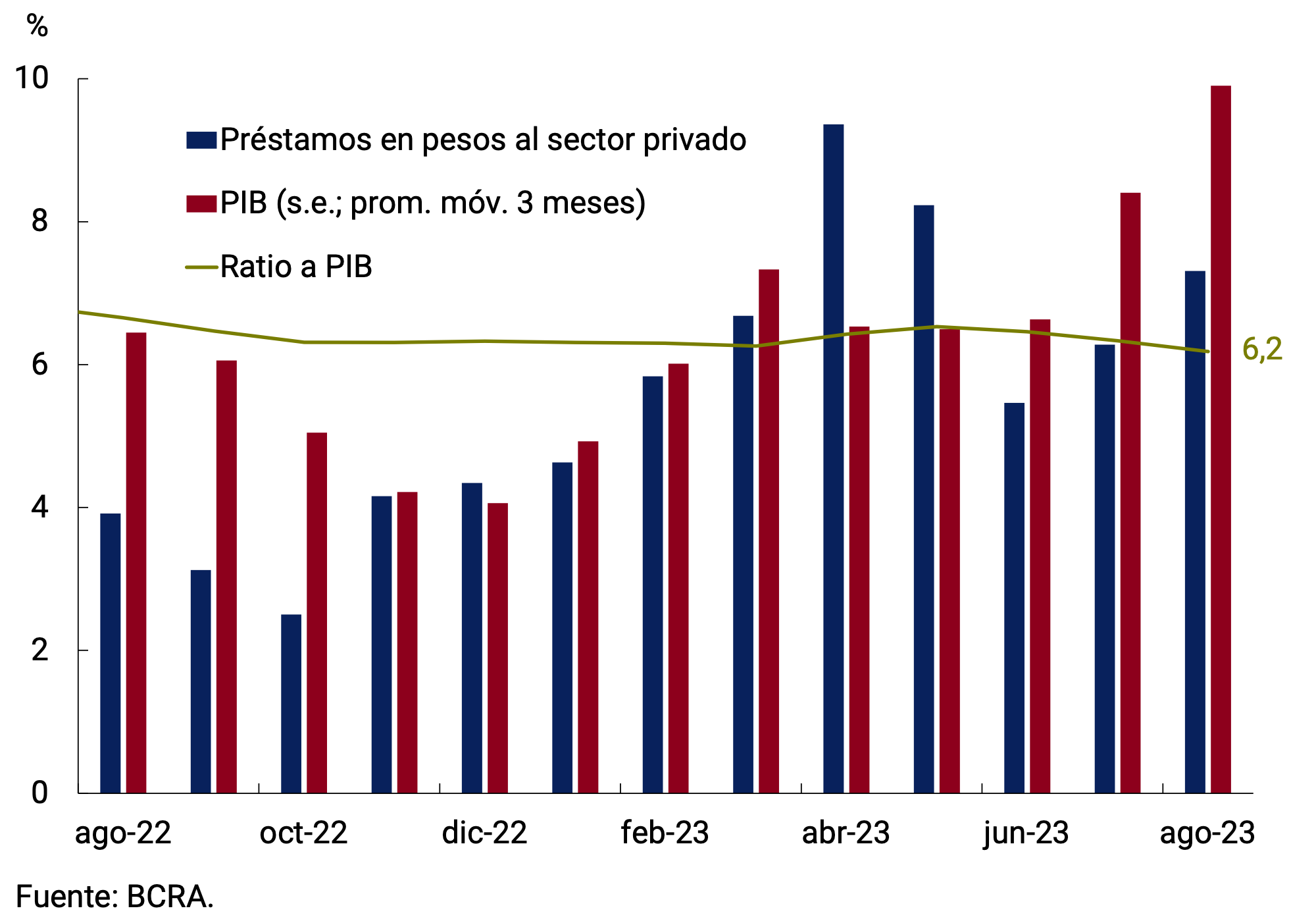
In August, loans in pesos to the private sector in real terms and without seasonality would have registered a monthly contraction of 4.9% and in the last 12 months they would accumulate a fall of the order of 13.0%. The month’s decline was broad-based at the level of large credit lines (see Figure 5.1). As a percentage of GDP, peso-denominated loans to the private sector fell slightly in the month to 6.2 percent, the lowest level since mid-2004 (see Figure 5.2).
Figure 5.1 | Loans in pesos to the private
sector Real without seasonality; contribution to monthly growth
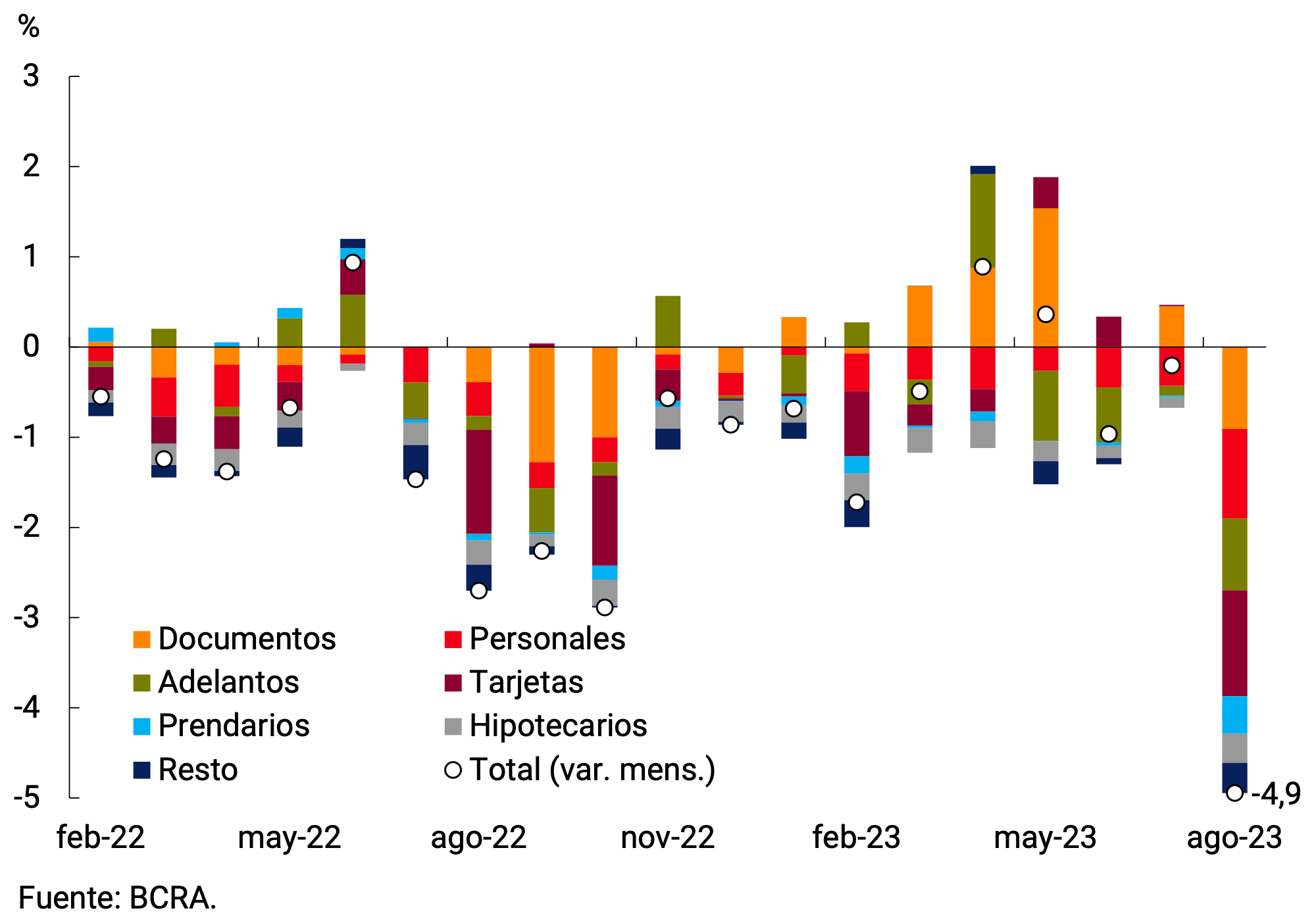
Figure 5.2 | Loans in pesos to the private
sector In terms of GDP
Commercial lines would have fallen 4.5% s.e. monthly in real terms. At the instrument level, loans granted through documents would have decreased 3.0% s.e. in real terms and would be practically at the same level as a year ago. Within these lines, single-signature documents would have registered a fall of 4.2% s.e. and discounted documents exhibited a fall of 1.3% s.e. For their part, advances would have registered a sharp contraction at constant prices of 7.2% s.e., and would be 14% below the level of August 2022.
The Financing Line for Productive Investment (LFIP) continued to be the main tool used to channel credit to the productive activity of Micro, Small and Medium-sized Enterprises (MSMEs). At the end of August, loans granted under the LFIP accumulated $7.342 billion since its launch, an increase of 8.4% compared to last month (see Figure 5.3). Of the total financing granted through the LFIP, 14.3% corresponds to investment projects and the rest to working capital. The average balance of financing granted through the LFIP reached approximately $1,783 billion in July (latest available information), which represents about 17.6% of total loans and 38.2% of total commercial loans.
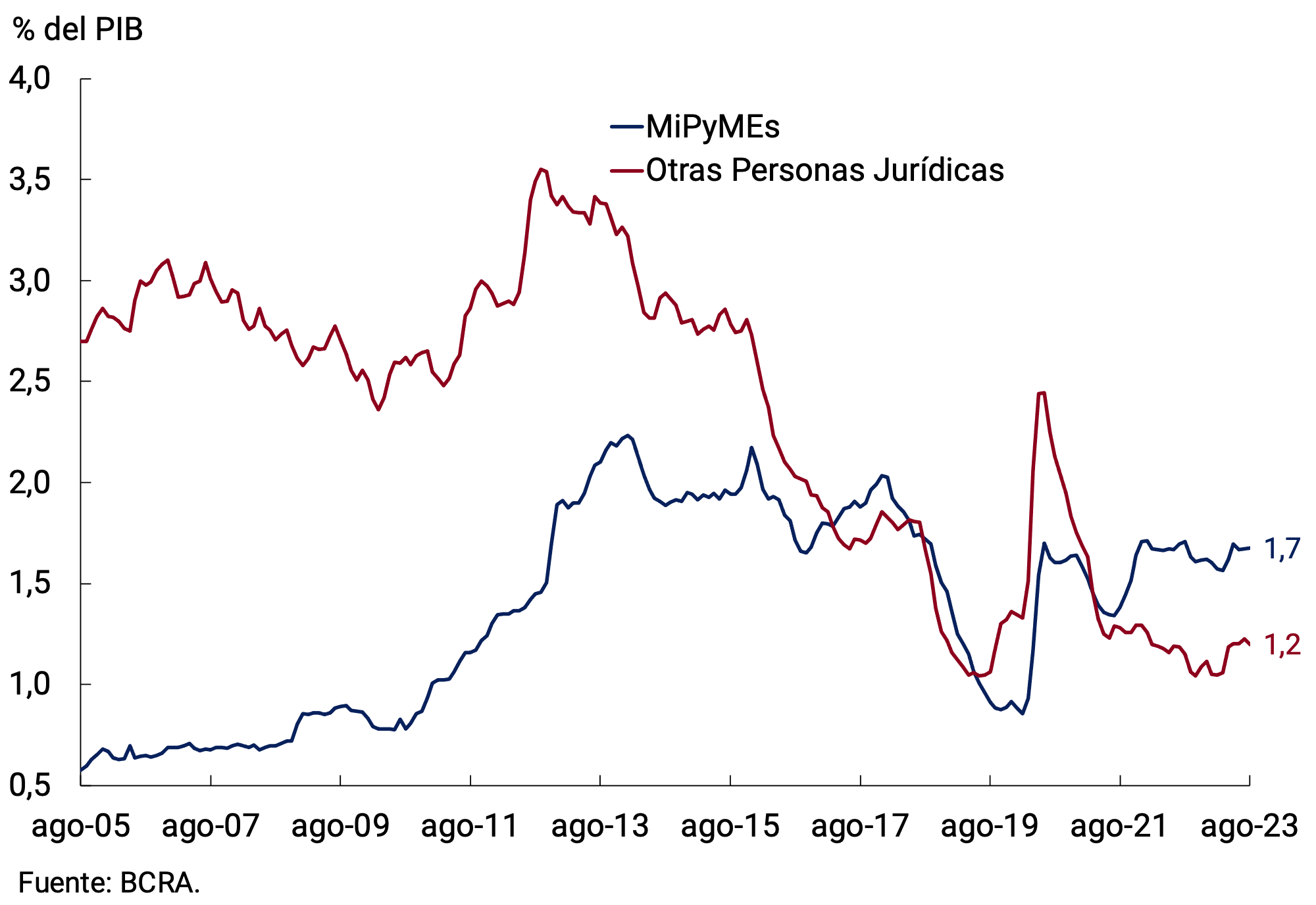
With regard to commercial loans by type of debtor, credit to relatively smaller companies continued to stand at around 1.7% of GDP, above the pre-pandemic record and the historical average. On the other hand, in the case of large companies, the credit-to-GDP ratio remains at around 1.2% of GDP, among the lowest records in the last 20 years (see Figure 5.4).
Figure 5.3 | Financing granted through the Productive Investment Financing Line (LFIP)
Accumulated disbursed amounts; data at the end of the month
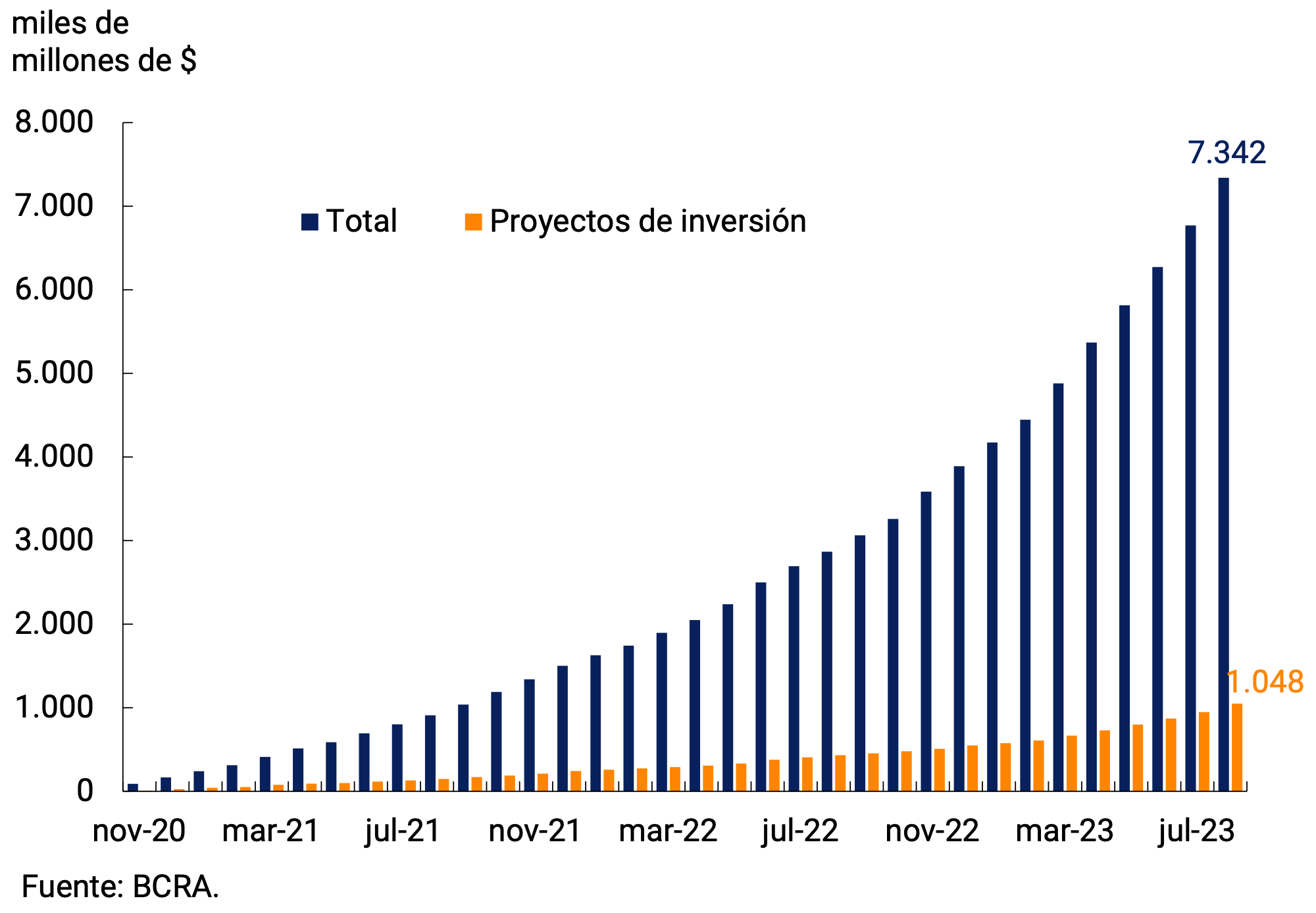
Figure 5.4 | Commercial Loans by Type of Debtor
As a Percentage of GDP
Consumer loans would have fallen 5.0% s.e. at constant prices during the month and would accumulate a reduction of 15.7% in the last year. Within these lines, credit card financing would have shown a contraction in real terms of 4.0% s.e. in the month and personal loans would have fallen 7.1% s.e. in the same period. In year-on-year terms, these loans registered falls of around 10% and 26%, respectively.
With regard to lines with real guarantee, at constant prices, pledge loans would have registered a decrease of 6.2% s.e., bringing the year-on-year fall to 15.6%. For its part, the balance of mortgage loans would have shown a monthly decrease of 7.6% s.e., with a fall of around 42% in the last 12 months.
6. Liquidity in pesos of financial institutions
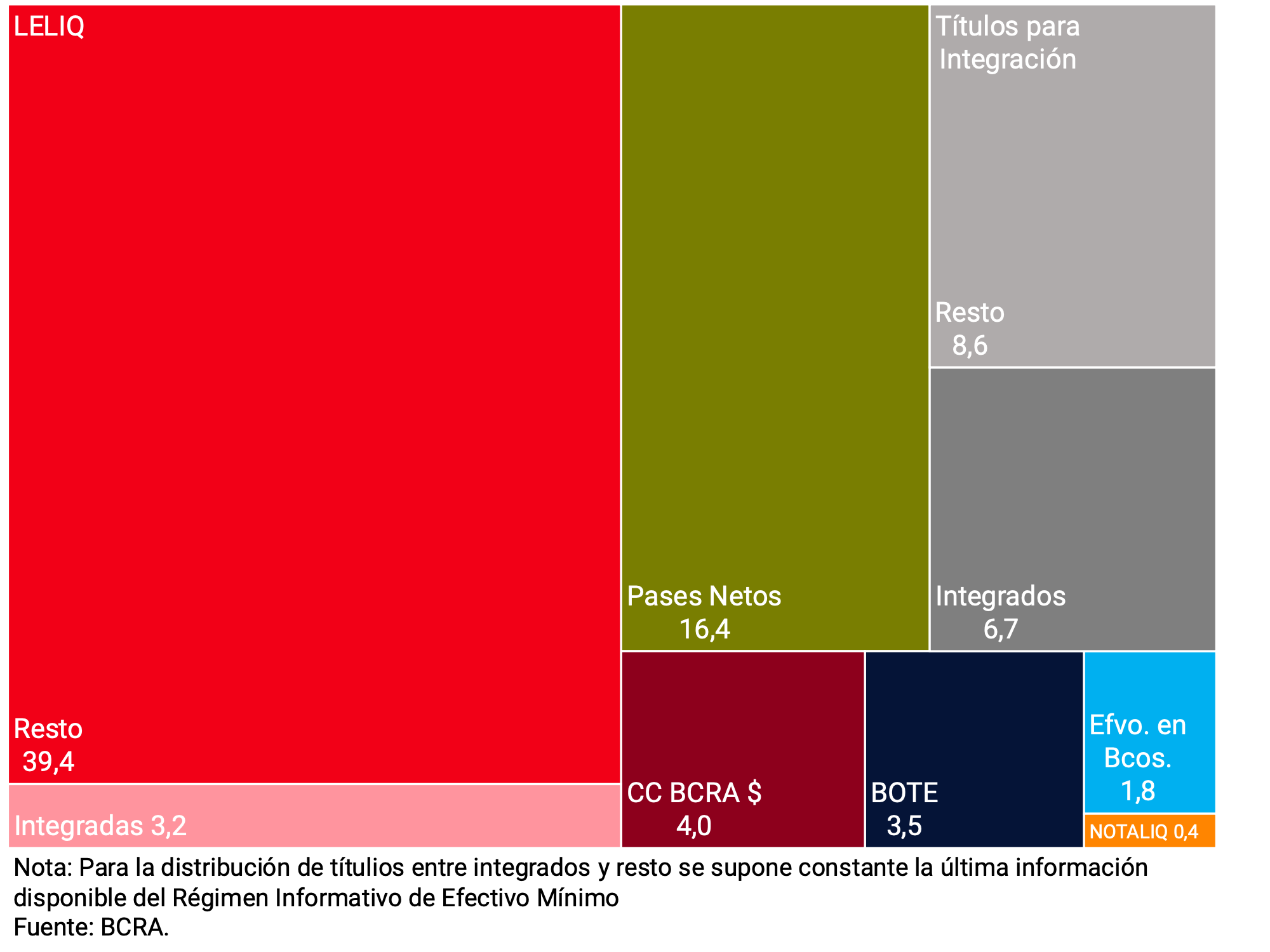
In August, ample bank liquidity in local currency5 remained unchanged from July, averaging 84% of deposits (see Figures 6.1 and 6.2). In this way, it remained at historically high levels. Inside, it is worth mentioning that there was an increase in passive passes, to the detriment of LELIQs and public securities that can be integrated for minimum cash.
Figure 6.1 | Liquidity levels in pesos of financial institutions
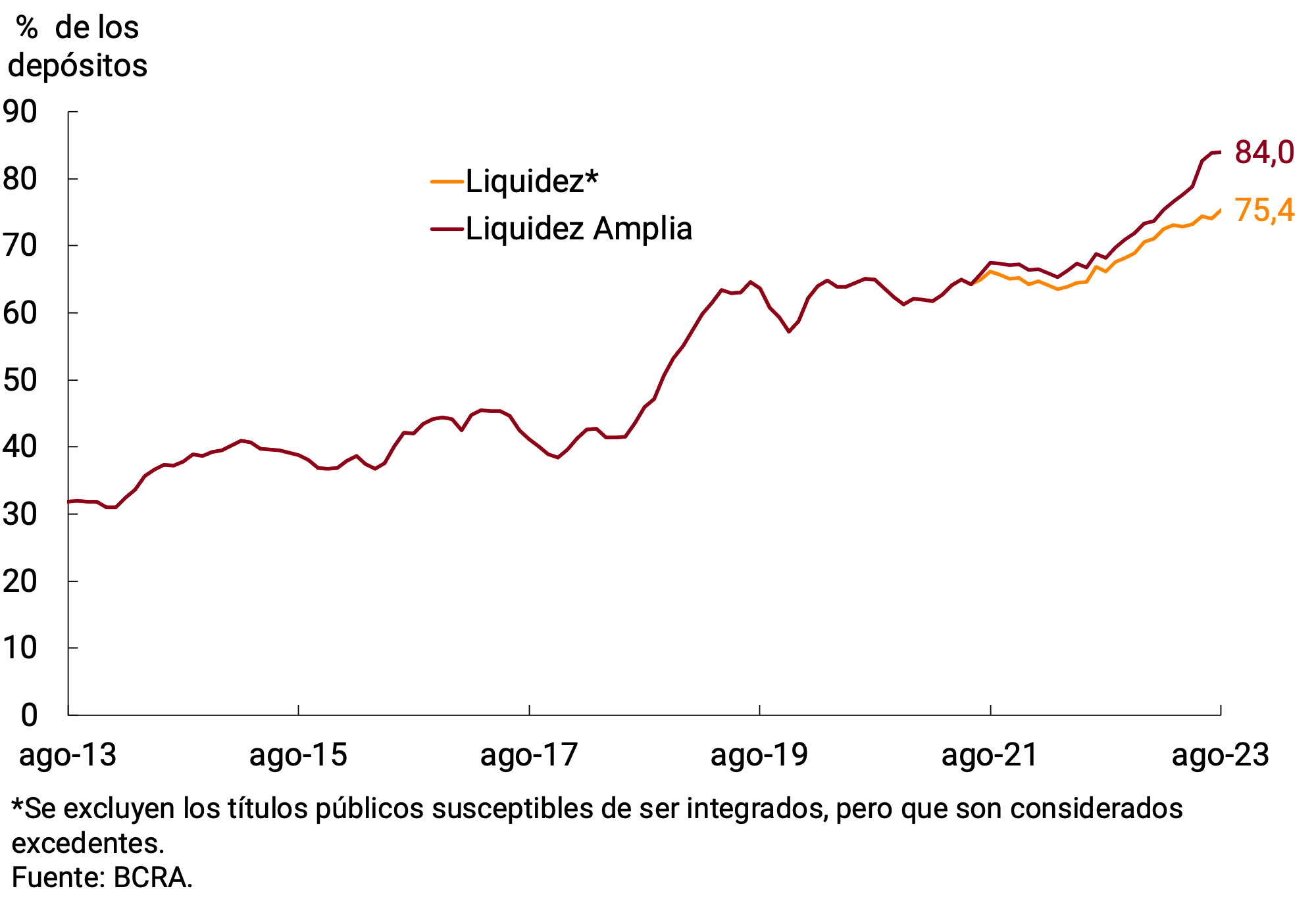
Figure 6.2 | Composition of liquidity of financial
institutions % of deposits
7. Foreign currency
In the foreign currency segment, private sector deposits fell by US$518 million in the month, which was concentrated in demand deposits, and ended August with a balance of US$14,987 million. On the other hand, the balance of loans to the private sector decreased by US$21 million and ended the month at US$3,805 million (see Figure 7.1).
Figure 7.1 | Balance of private sector foreign currency deposits and loans
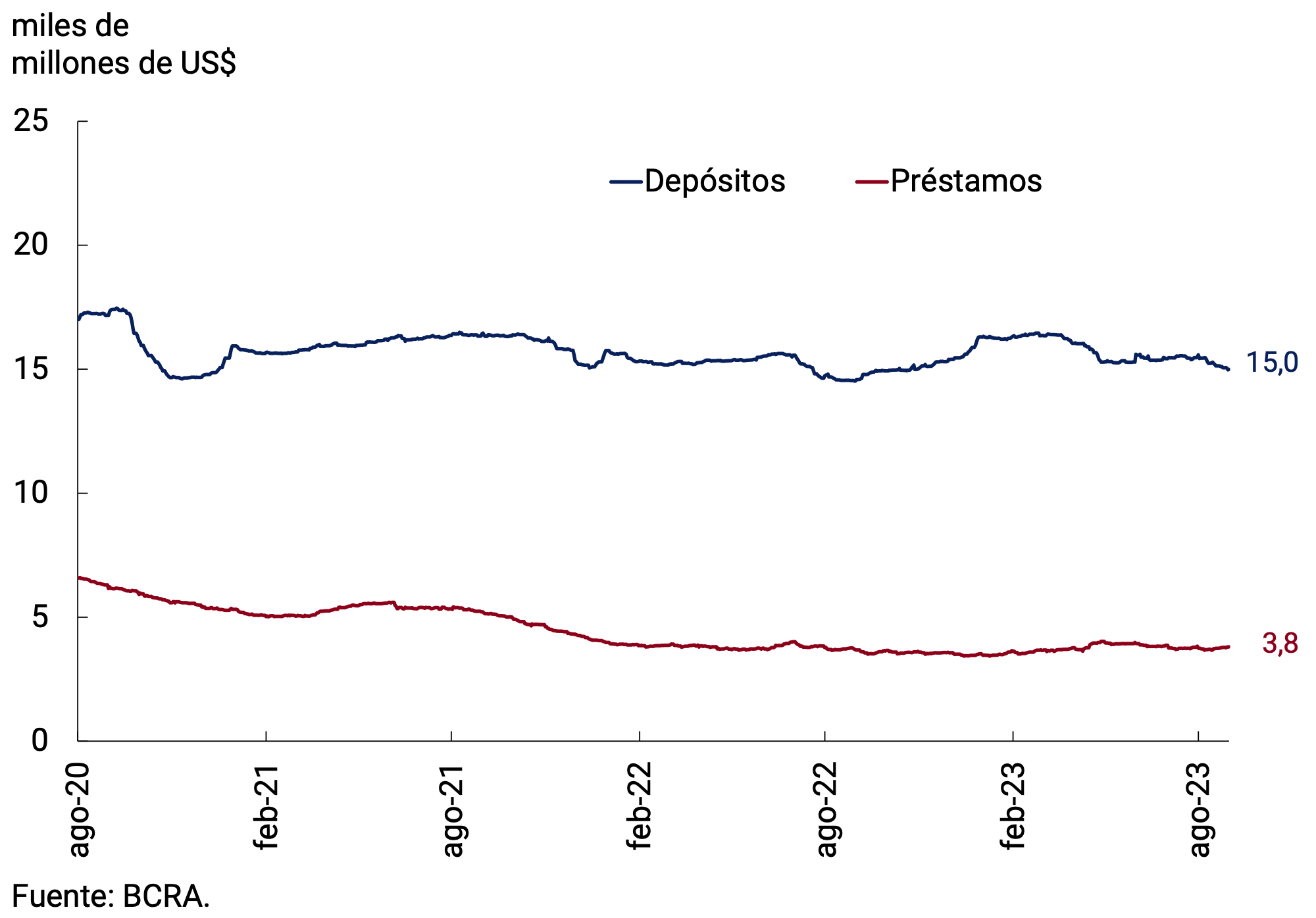
Figure 7.2 | Liquidity in foreign currency of financial institutions
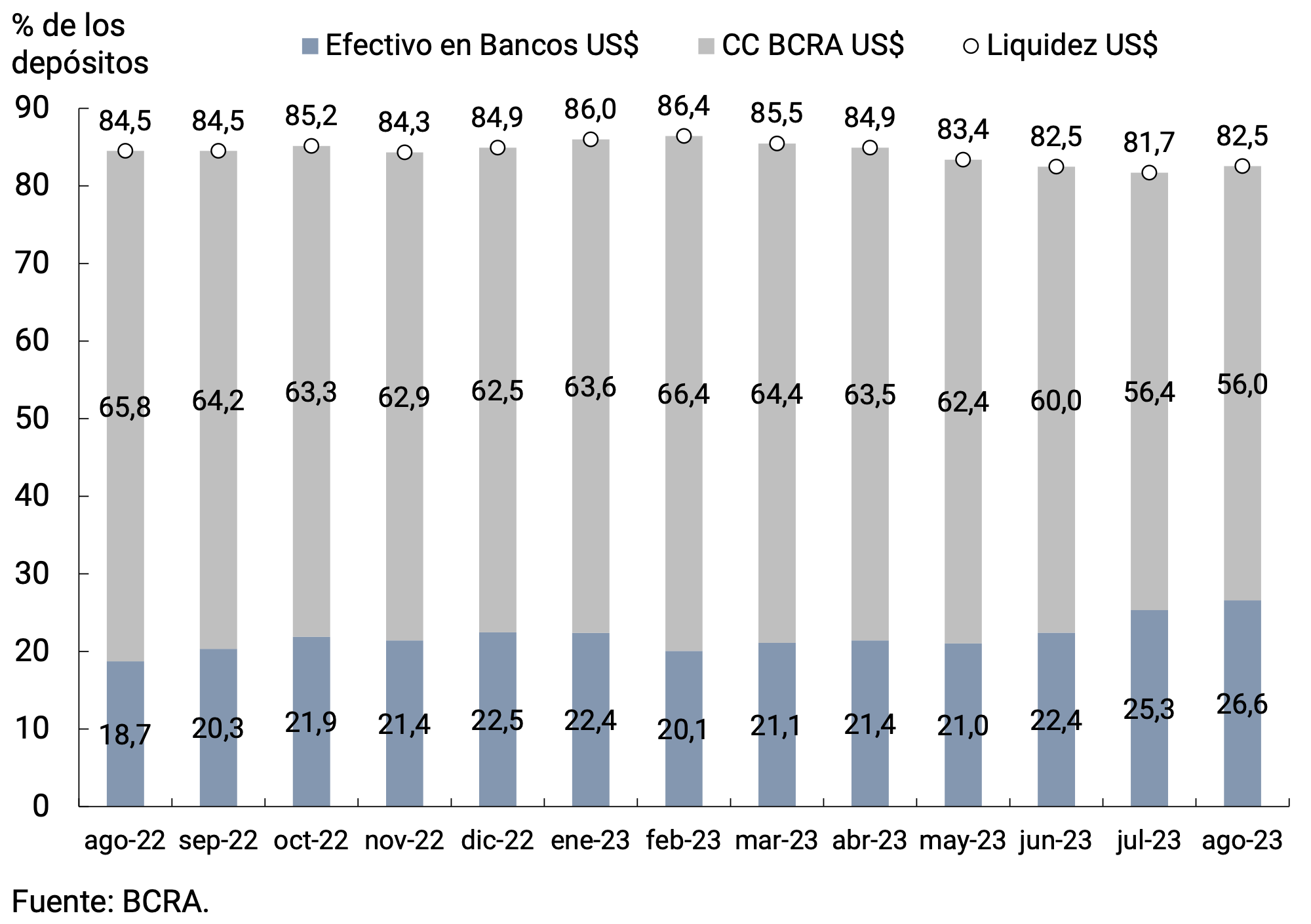
The liquidity of financial institutions in the foreign currency segment increased 0.8 p.p. compared to the July average, standing at 82.5% of deposits and remaining at historically high levels. This increase was mainly explained by cash in banks (see Figure 7.2).
During August, a series of regulatory modifications took place in foreign exchange matters. Thus, greater flexibility was provided for access to the foreign exchange market6 and the entry and settlement of foreign currency from exports of certain products derived from cornwas regulated 7. At the same time, the conditions for the subscription of Internal Bills of the Central Bank of the Argentine Republic in dollars liquidable in pesos for the Reference Exchange Rate Com. “A” 3500 (LEDIV) at a zero ratewere extended 8. On the other hand, the rate with which certain consumption in foreign currency is taxed was reduced as long as it exceeds a certain amount, which fundamentally affected the exchange rate faced by outbound tourism9.
It should be noted that in the first days of September the “Export Increase Program” was reestablished, with the aim of increasing the supply of foreign currency. On this occasion, instead of determining a differential exchange rate, it was established that 75% of the equivalent value of the export of the goods reached must be entered into the country in foreign currency and negotiated through the Free Exchange Market (MLC), while the remaining 25% will be freely available10.
The BCRA’s International Reserves ended August with a balance of US$27,818 million, registering an increase of US$3,727 million compared to the end of July (see Figure 7.3). This dynamic was influenced by the disbursement by the International Monetary Fund (IMF) made within the framework of the fifth and sixth reviews of the Extended Facilities Program (PFE), for approximately US$7,300 million (5,500 million SDRs). With a part of these funds, $500,000 million of Transitory Advances (about US$1,430 million) were canceled, the principal payment to the IMF was advanced for about US$950 million that was due in September and the debt with Qatar was canceled for US$773.7 million. It had been contracted in early August as a bridge loan to meet interest payments to the IMF. In turn, towards the end of the month, the placement that CAF had made in the BCRA for US$ 1,000 million was reversed. Another factor that contributed to the increase in international reserves was the net purchase of foreign currency from the private sector, which totaled US$1,254 million in the month.
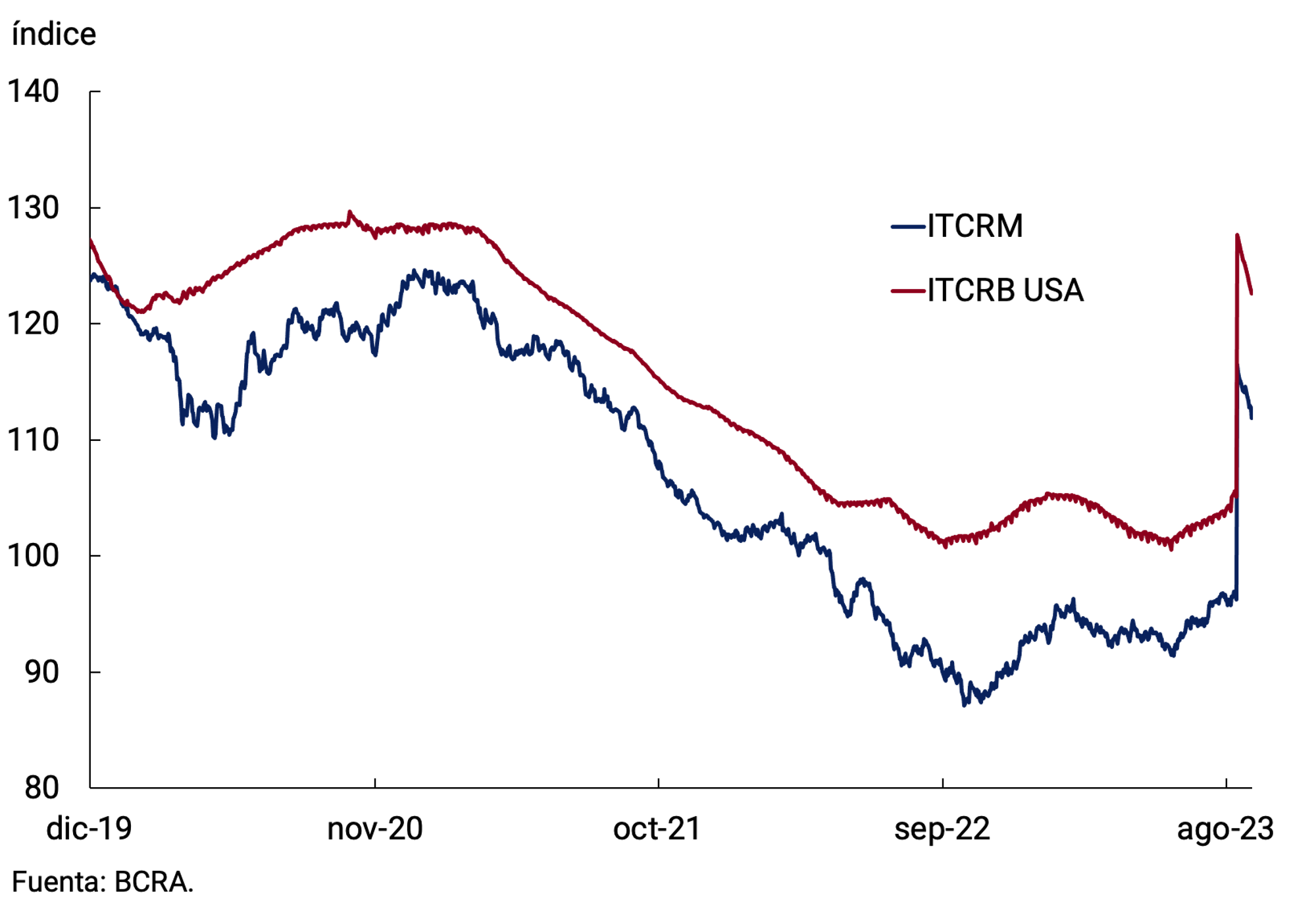
Finally, in the middle of the month, the BCRA decided to recalibrate the bilateral nominal exchange rate (TCN) against the US dollar, bringing it to $350/US$. Thus, the Multilateral Real Exchange Rate Index (ITCRM) reached levels similar to those recorded in mid-2021 and to the historical average of the index (see Figure 7.4).
Figure 7.3 | International Reserve Balance
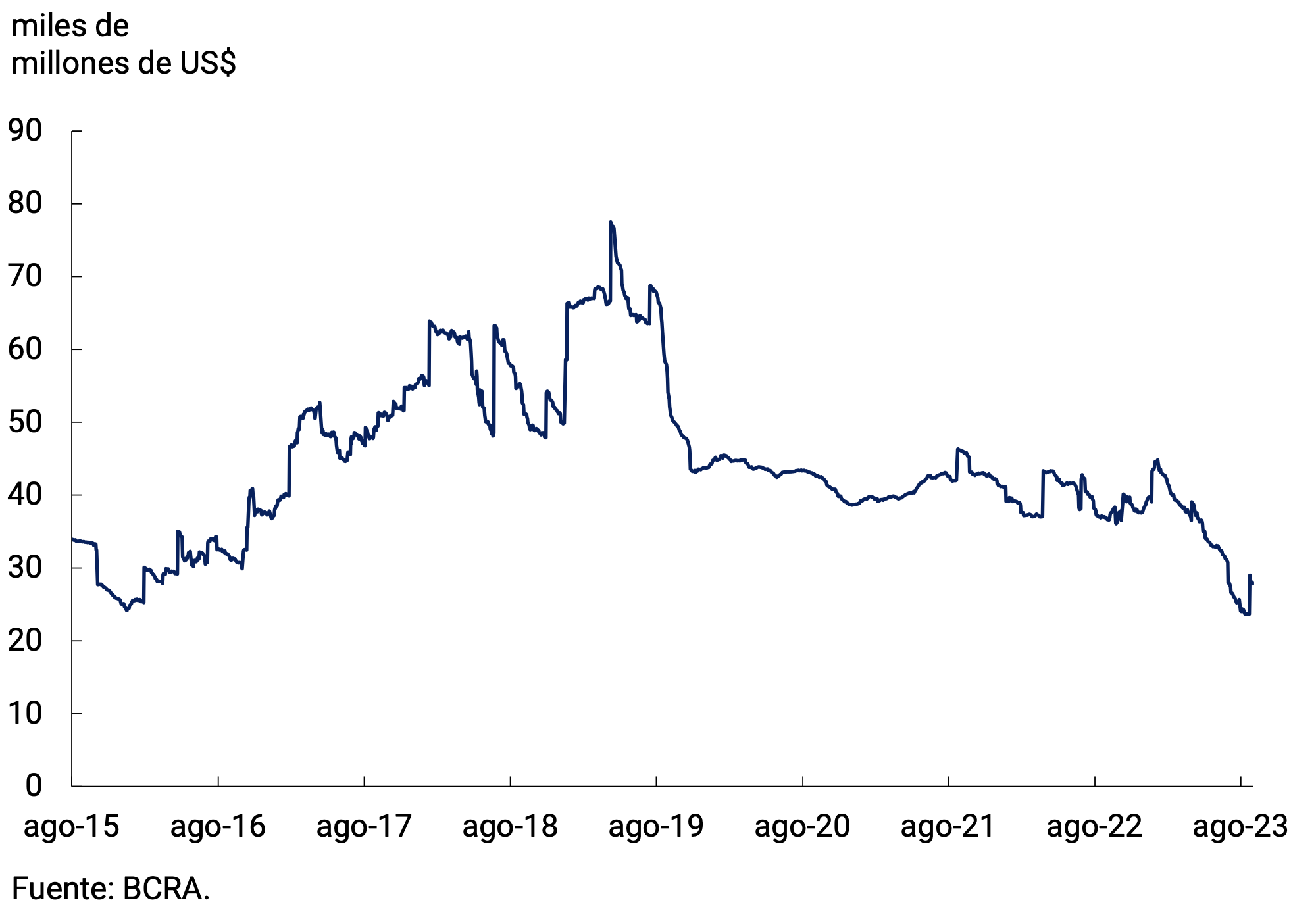
Figure 7.4 | Multilateral Real Exchange Rate Index
Glossary
ANSES: National Social Security Administration.
AFIP: Federal Administration of Public Revenues.
BADLAR: Interest rate on fixed-term deposits for amounts greater than one million pesos and a term of 30 to 35 days.
BCRA: Central Bank of the Argentine Republic.
BM: Monetary Base, includes monetary circulation plus deposits in pesos in current account at the BCRA.
CC BCRA: Current account deposits at the BCRA.
CER: Reference Stabilization Coefficient.
NVC: National Securities Commission.
SDR: Special Drawing Rights.
E.A.: Effective Annual.
EFNB: Non-Banking Financial Institutions.
EM: Minimum Cash.
FCI: Common Investment Fund.
A.I.: Year-on-year .
IAMC: Argentine Institute of Capital Markets
CPI: Consumer Price Index.
ITCNM: Multilateral Nominal Exchange Rate Index
ITCRM: Multilateral Real Exchange Rate Index
LEBAC: Central Bank bills.
LELIQ: Liquidity Bills of the BCRA.
LFIP: Financing Line for Productive Investment.
M2 Total: Means of payment, which includes working capital held by the public, cancelling cheques in pesos and demand deposits in pesos from the public and non-financial private sector.
Private M2: Means of payment, includes working capital held by the public, cancelling cheques in pesos and demand deposits in pesos from the non-financial private sector.
Private transactional M2: Means of payment, includes working capital held by the public, cancelling cheques in pesos and non-remunerated demand deposits in pesos from the non-financial private sector.
M3 Total: Broad aggregate in pesos, includes the current currency held by the public, cancelling checks in pesos and the total deposits in pesos of the public and non-financial private sector.
Private M3: Broad aggregate in pesos, includes the working capital held by the public, cancelling checks in pesos and the total deposits in pesos of the non-financial private sector.
MERVAL: Buenos Aires Stock Market.
MM: Money Market.
N.A.: Annual nominal.
NOCOM: Cash Clearing Notes.
ON: Negotiable Obligation.
GDP: Gross Domestic Product.
P.B.: basis points.
PSP.: Payment Service Provider.
p.p.: percentage points.
MSMEs: Micro, Small and Medium Enterprises.
ROFEX: Rosario Term Market.
S.E.: No seasonality
SISCEN: Centralized System of Information Requirements of the BCRA.
SIMPES: Comprehensive System for Monitoring Payments of Services Abroad.
TCN: Nominal Exchange Rate
IRR: Internal Rate of Return.
TM20: Interest rate on fixed-term deposits for amounts greater than 20 million pesos and a term of 30 to 35 days.
TNA: Annual Nominal Rate.
UVA: Unit of Purchasing Value
References
1 Corresponds to private M2 excluding interest-bearing demand deposits from companies and financial service providers. This component was excluded since it is more similar to a savings instrument than to a means of payment.
2 The interest rates currently in force are those established by communication “A” 7726.
3 The rest of the depositors are made up of individuals with deposits of more than $30 million and legal entities.
4 Private M3 includes working capital held by the public and deposits in pesos of the non-financial private sector (demand, term and others).
5 Includes current accounts at the BCRA, cash in banks, balances of net passes arranged with the BCRA, holdings of LELIQ and NOTALIQ, and public bonds eligible for reserve requirements.
6 Communications “A” 7815 and “A” 7830.
7 Communication “A” 7826.
8 Communication “A” 7829.
9 General Resolution 5403/2023 of the General Administration of Public Revenues.
10 Decree 443/2023 of the National Executive Branch.
Share on


