1. Executive Summary
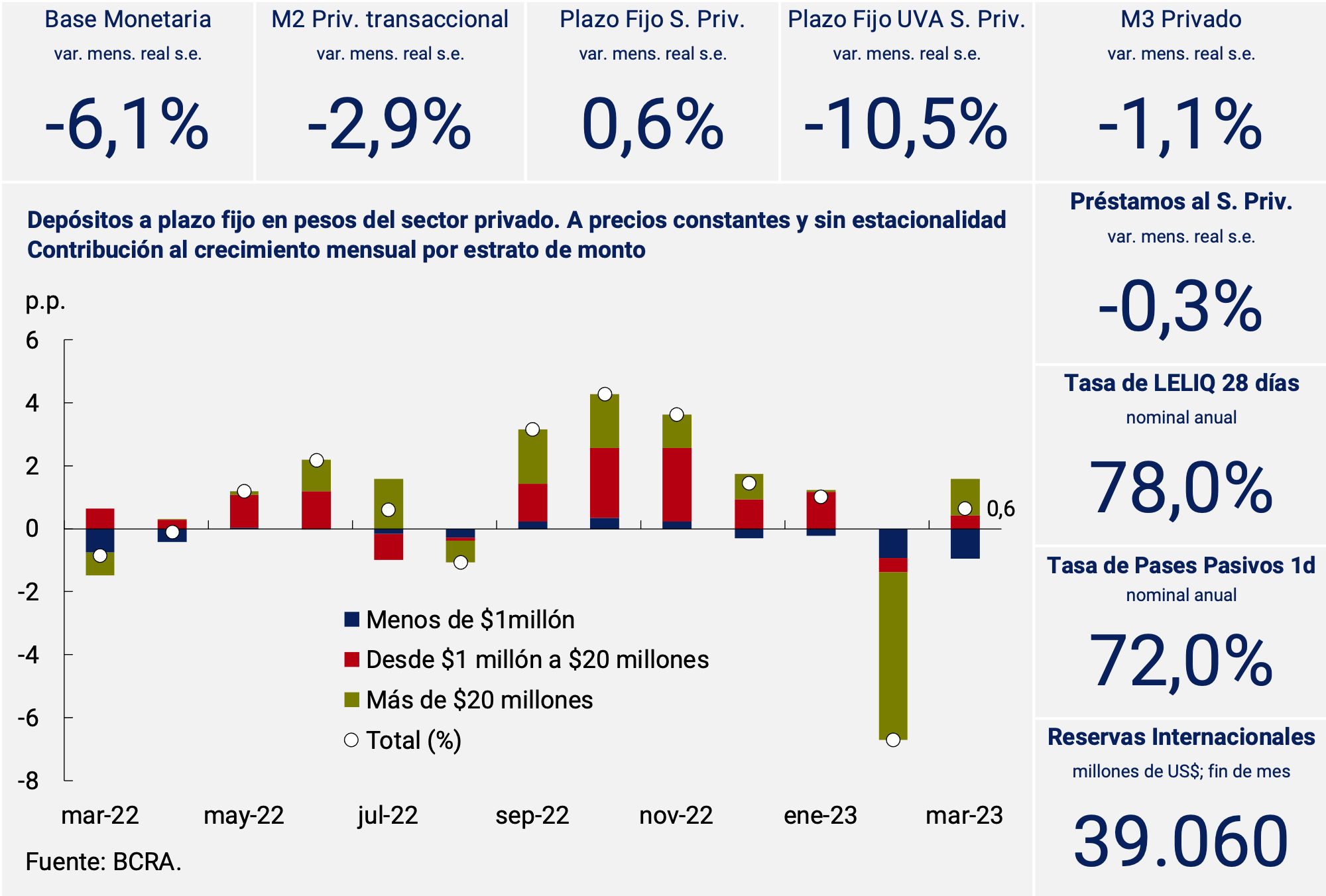
The BCRA raised the interest rate paid by Liquidity Bills (LELIQ) by 3 percentage points (p.p.), bringing it to 78% n.a. Meanwhile, it decided to keep the interest rates associated with pass operations unchanged. Finally, with regard to the regulated minimum interest rates on deposits, it increased those corresponding to time deposits by the same magnitude as those of LELIQ.
In this context, fixed-term deposits in pesos in the private sector registered an expansion in real terms and persist around the maximum values of recent decades both at constant prices and as a percentage of Output. The biggest boost came from the wholesale segment, as Money Market Mutual Funds (MM FCIs) rotated their portfolio towards time deposits. However, as this occurred in the second part of the month, the impact was only partial, leaving a positive drag for April.
However, the broad monetary aggregate (private M3) at constant prices and without seasonality would have registered a contraction in the third month of the year. This dynamic was mainly explained by the behavior of means of payment, which, both at constant prices and in terms of GDP, are at the lowest levels in the last 20 years.
Finally, loans to the private sector at constant prices and without seasonality would have marked a new monthly contraction. In March, the Financing Line for Productive Investment (LFIP) was renewed for the April-September period. This line allowed credit to MSMEs in terms of GDP to be sustained above the pre-pandemic record and the historical average.
2. Payment methods
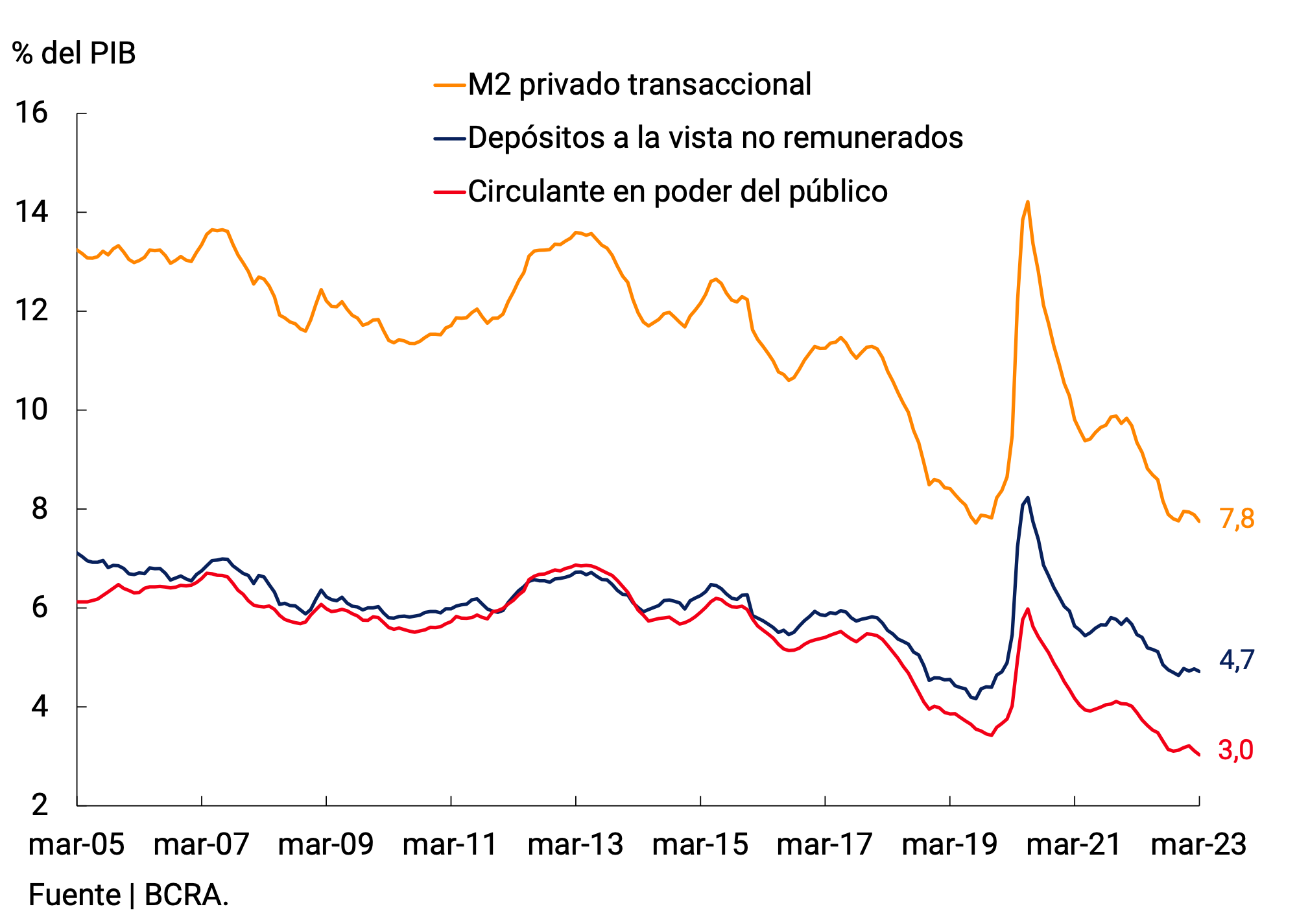
In real and seasonally adjusted terms (s.e.), means of payment (private transactional M21) would have registered a contraction of 2.9% in March. The dynamics of the month responded to the same magnitude to the behavior of working capital held by the public as of non-interest-bearing demand deposits (see Figure 2.1). Thus, in year-on-year terms and at constant prices, private transactional M2 would be 19.6% below the level of March 2022. In terms of Output, means of payment would have stood at 7.8%, showing a slight decrease (0.1 p.p.) compared to the previous month (see Graph 2.2). Both components of the means of payment remain in terms of GDP at around the lowest levels of the last 20 years.
Figure 2.1 | Private transactional M2 at constant
prices Contribution by component to the monthly vari. s.e.
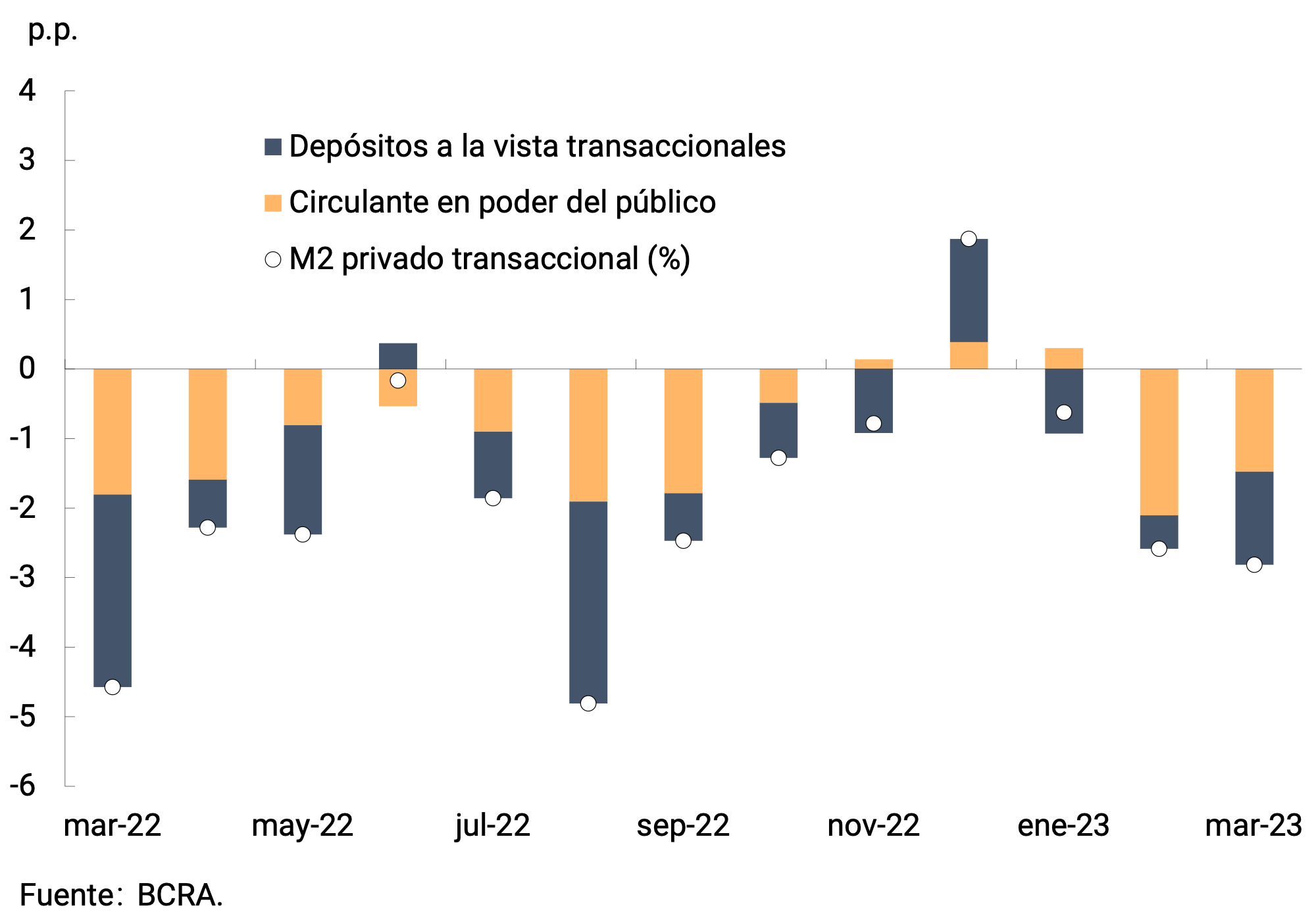
Figure 2.2 | Private transactional M2
3. Savings instruments in pesos
The Board of Directors of the BCRA decided to increase the minimum guaranteed interest rates on fixed-term deposits by 3 p.p. in the third month of year2. In this way, the monetary authority seeks to encourage savings in domestic currency. The minimum guaranteed rate for placements of individuals for up to an amount of $10 million was raised to 78% n.a. (113% e.a.), while for the rest of the depositors of the financial system the interest rate was increased to 69.5% n.a. (96.6% e.a.)3.
The private sector’s fixed-term deposits in pesos, in real terms and without seasonality, would have grown in March (0.6%). Thus, these placements continued to be positioned around the highest levels of recent decades. As a percentage of GDP, this type of deposit would have stood at 7.5% in March (0.1 p.p. more than in February).
Analyzing the evolution of term placements by strata of amount, a heterogeneous behavior is observed. Deposits of $1 to $20 million and wholesalers (more than $20 million) registered an increase on average in the month, the latter showing an acceleration in their monthly expansion rate. This dynamic was offset by the fall in retail deposits (less than $1 million).
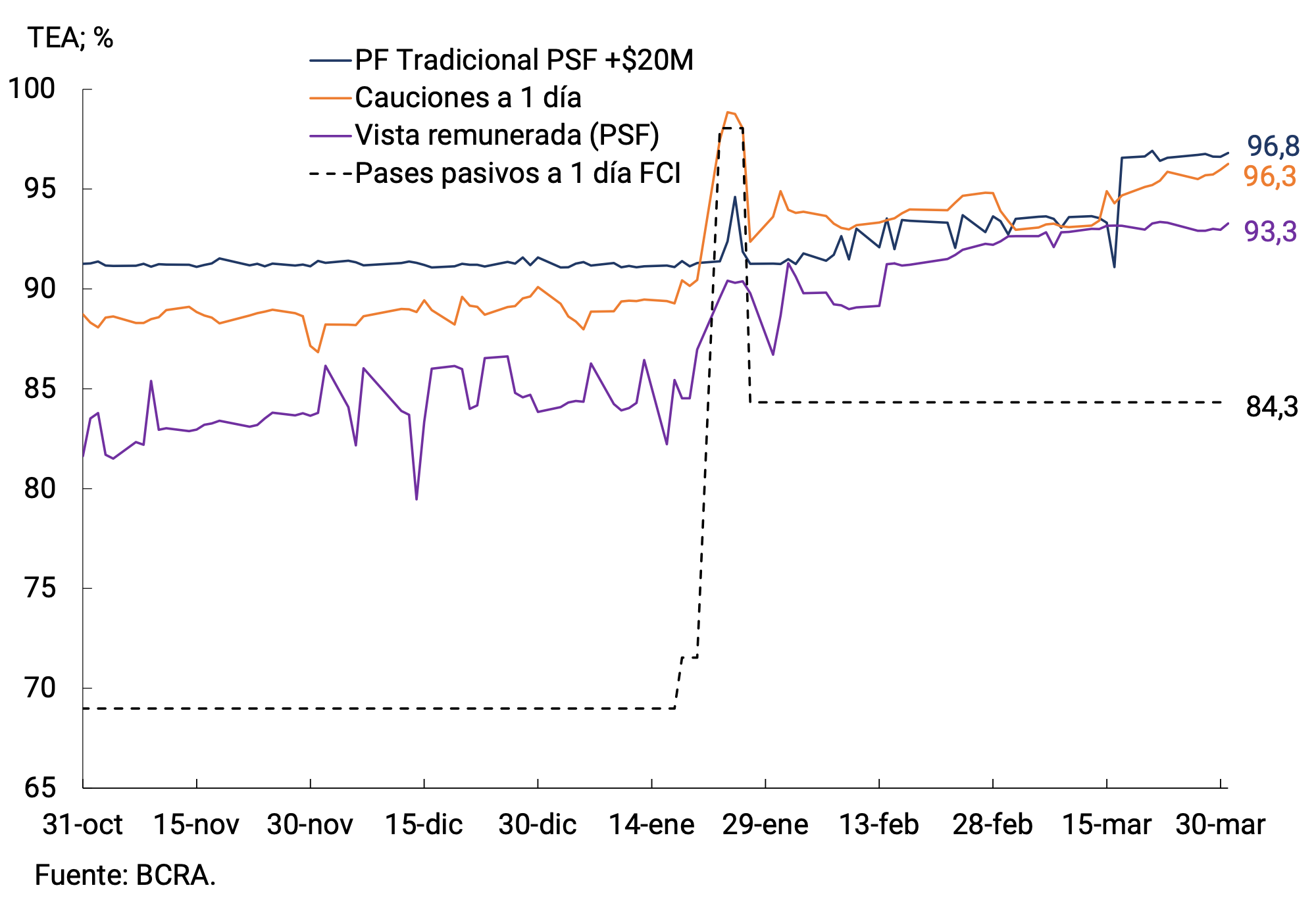
The behavior of Financial Services Providers (FSPs) was what drove the growth of wholesale fixed-term placements. Money Market Mutual Funds (FCI MM), which are the main agents in terms of movement of deposits within FSPs and operate mainly in the segment of more than $20 million, rotated the composition of their investment portfolios towards fixed-term deposits to the detriment of interest-bearing demand deposits (see Figure 3.1). Likewise, the increase in their assets was also mainly allocated to fixed-term investments. This portfolio rebalancing occurred in a context in which the new configuration of interest rates led to the performance of fixed-term placements being higher than that of other investment alternatives for PSFs (see Figure 3.2).
Figure 3.1 | FCI MM Assets InvestmentsAt Constant Prices
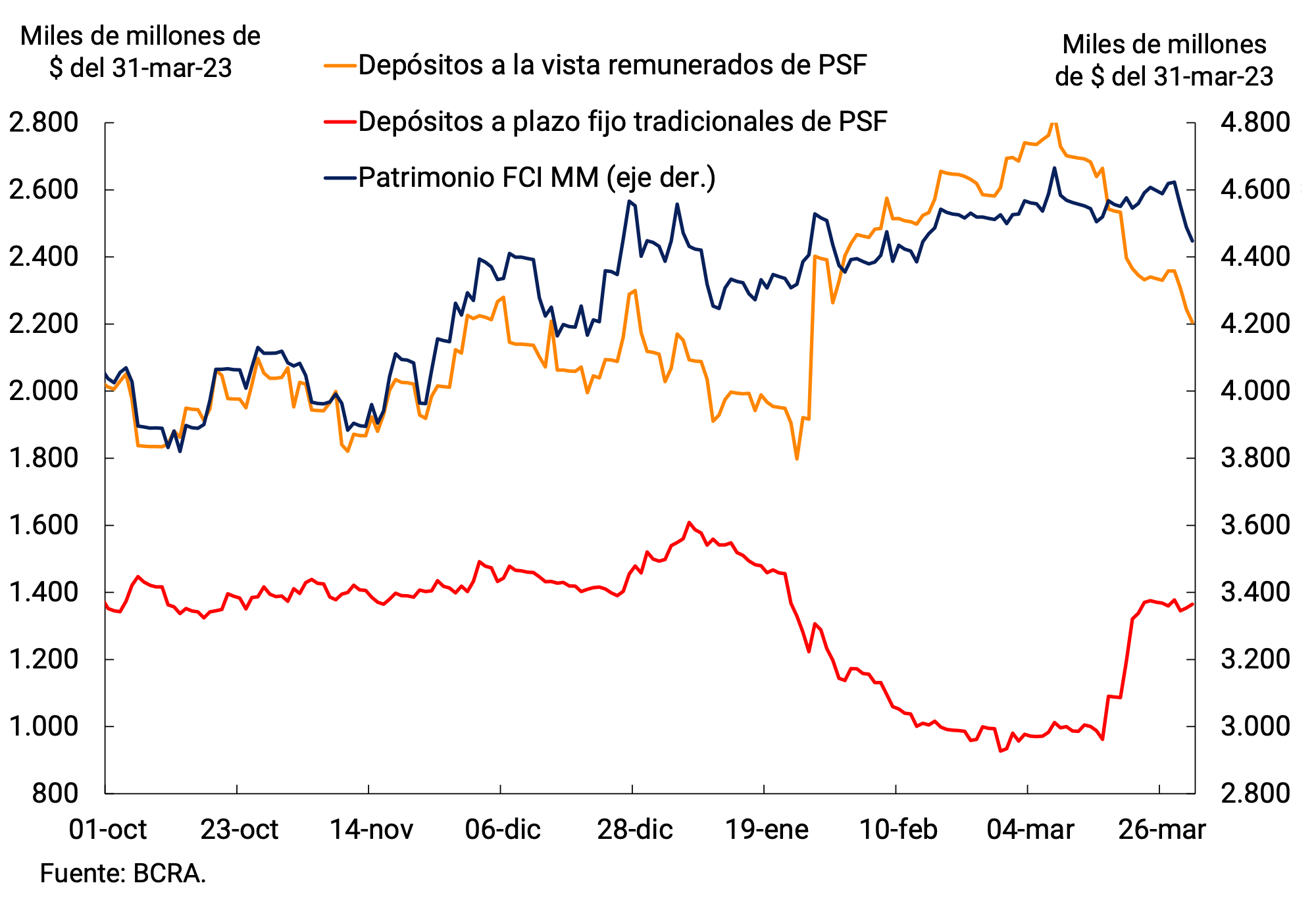
Figure 3.2 | Interest rates on PSF deposits
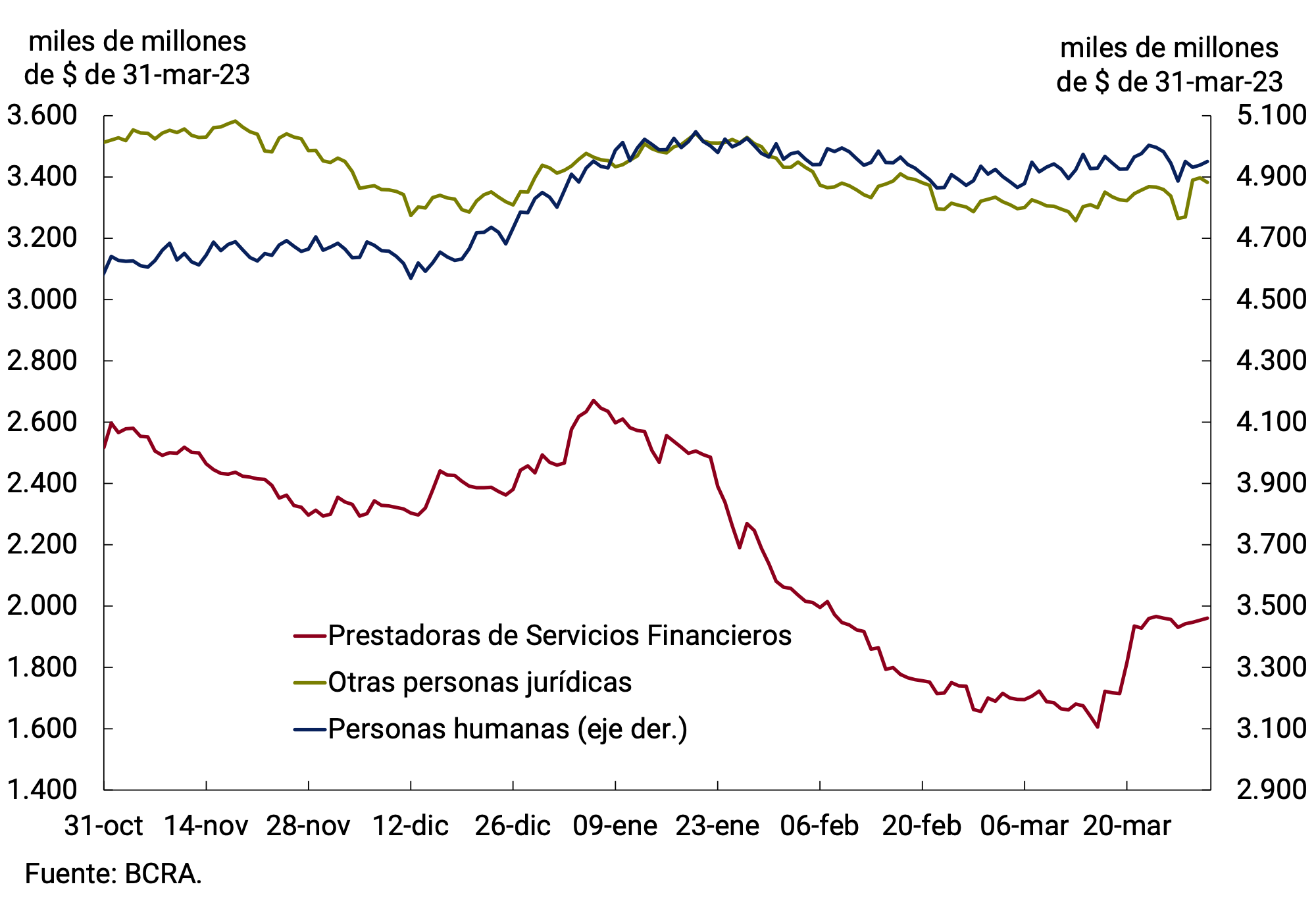
The rest of the companies (excluding PSFs), which also operate in the wholesale segment, maintained their holdings relatively stable in the month. Similarly, placements by individuals, mainly concentrated in the segment of less than $20 million, maintained their holdings without major changes (see Figure 3.3).
Figure 3.3 | Private sector fixed-term deposits by type of depositor
s.o. at constant prices
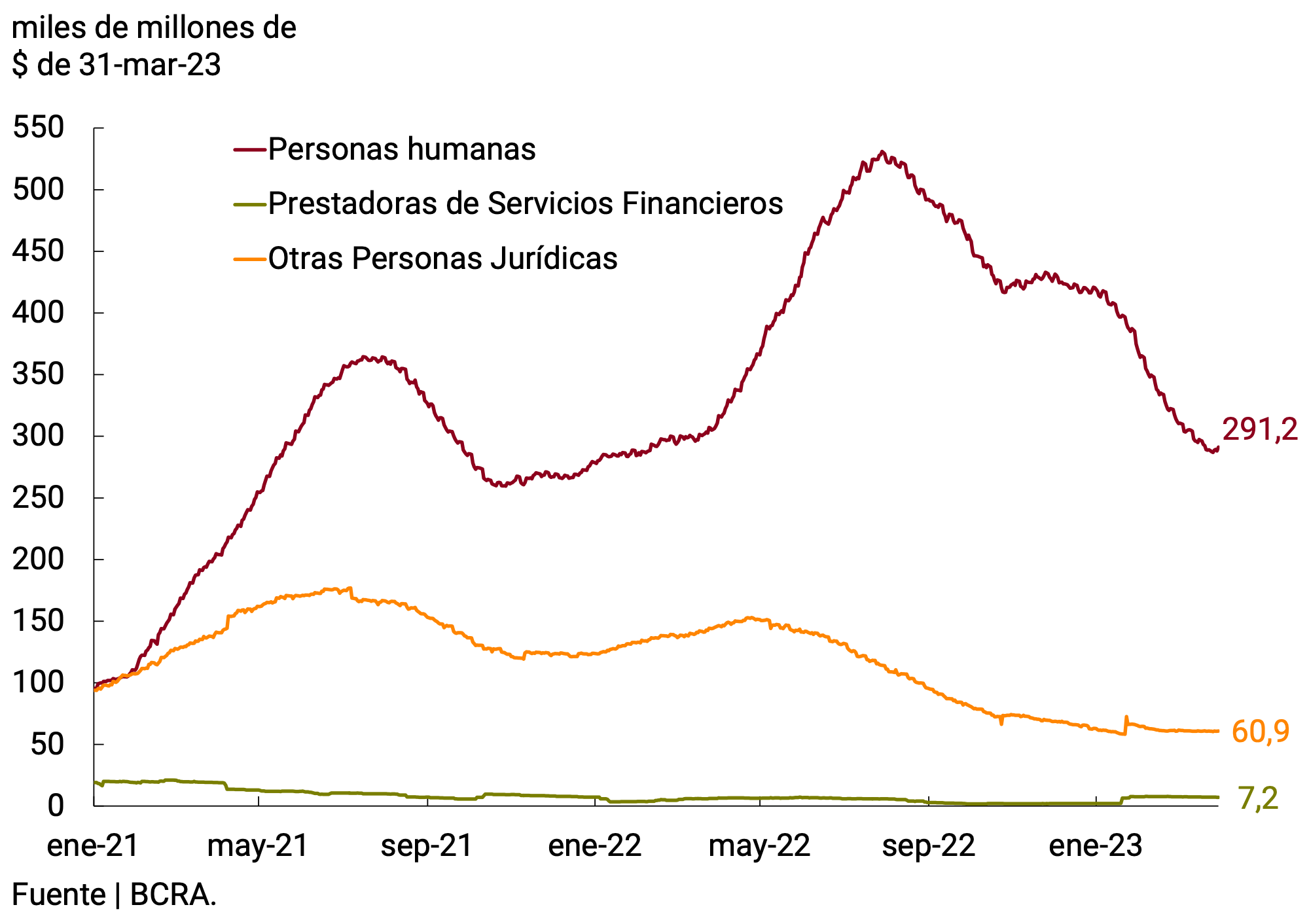
The segment of fixed-term deposits adjustable by CER exhibited a new contraction in real terms, accumulating 8 consecutive months of declines. The decrease was verified in both traditional and pre-cancellable UVA placements, whose monthly rates of change were -10.2% s.e. and -10.7% s.e., respectively (see Figure 3.4). Distinguishing by type of holder, it can be seen that the fall was almost entirely explained by the dynamics of placements by individuals, which account for about 85% of the total (see Figure 3.5). Thus, UVA deposits reached a balance of $302,200 million at the end of March, which represented 3.1% of the total of term instruments denominated in domestic currency.
Figure 3.4 | Fixed-term deposits in UVA of the private
sector Balance at constant prices by type of instrument
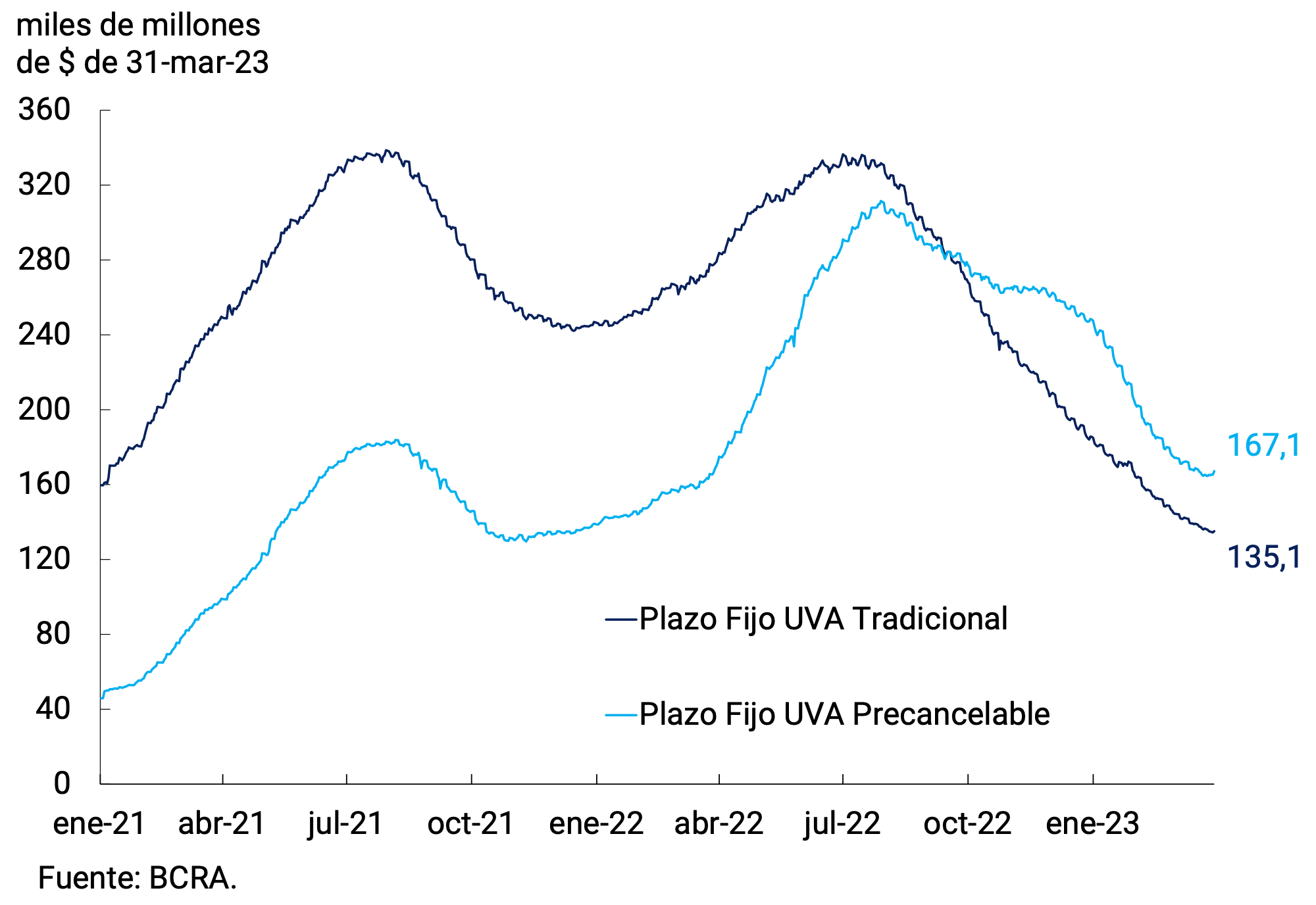
Figure 3.5 | Fixed-term deposits in UVA of the private
sector Balance at constant prices by type of holder
All in all, the broad monetary aggregate, private M3, at constant prices and adjusted for seasonality, would have exhibited a monthly fall of 1.1% in March4. In the year-on-year comparison, this aggregate would have experienced a decrease of 1.8% and as a percentage of GDP it would have stood at 17.7%, remaining stable compared to the previous month and at a level similar to the 2010-19 average.
4. Monetary base
In March, the Monetary Base stood at an average of $5,161.3 billion, registering a monthly contraction of 1.5% (-$80,955 million) at current prices. Adjusted for seasonality and at constant prices, it would have exhibited a contraction of around 6% and in the last twelve months it would accumulate a fall of around 30%. As a GDP ratio, the Monetary Base would stand at 4.2%, 0.2 p.p. below the value recorded the previous month and around the lowest values since the exit from convertibility (see Chart 4.1).
Figure 4.1 | Monetary base
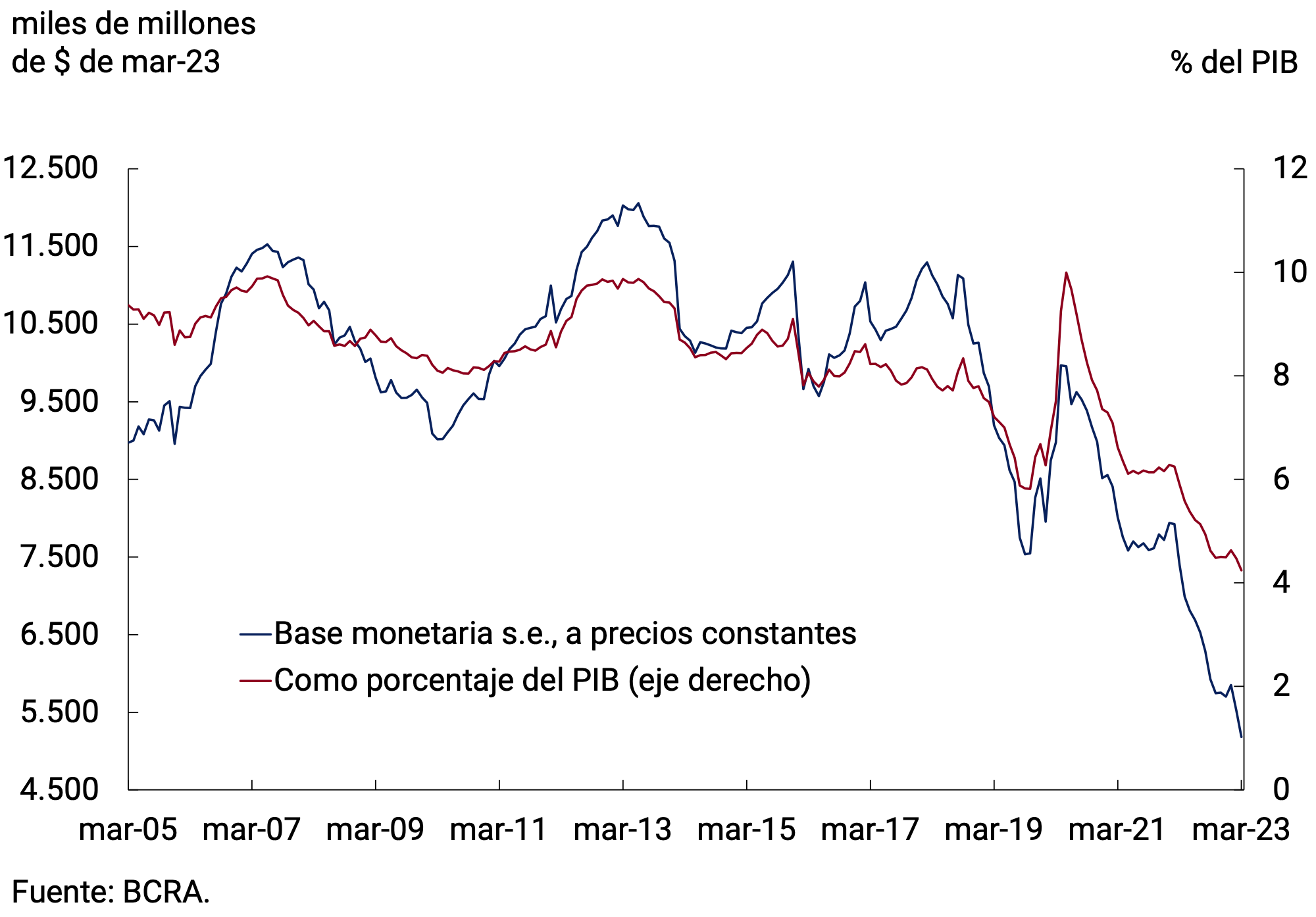
Figure 4.2 | Factors explaining the Monetary Base
Average monthly change
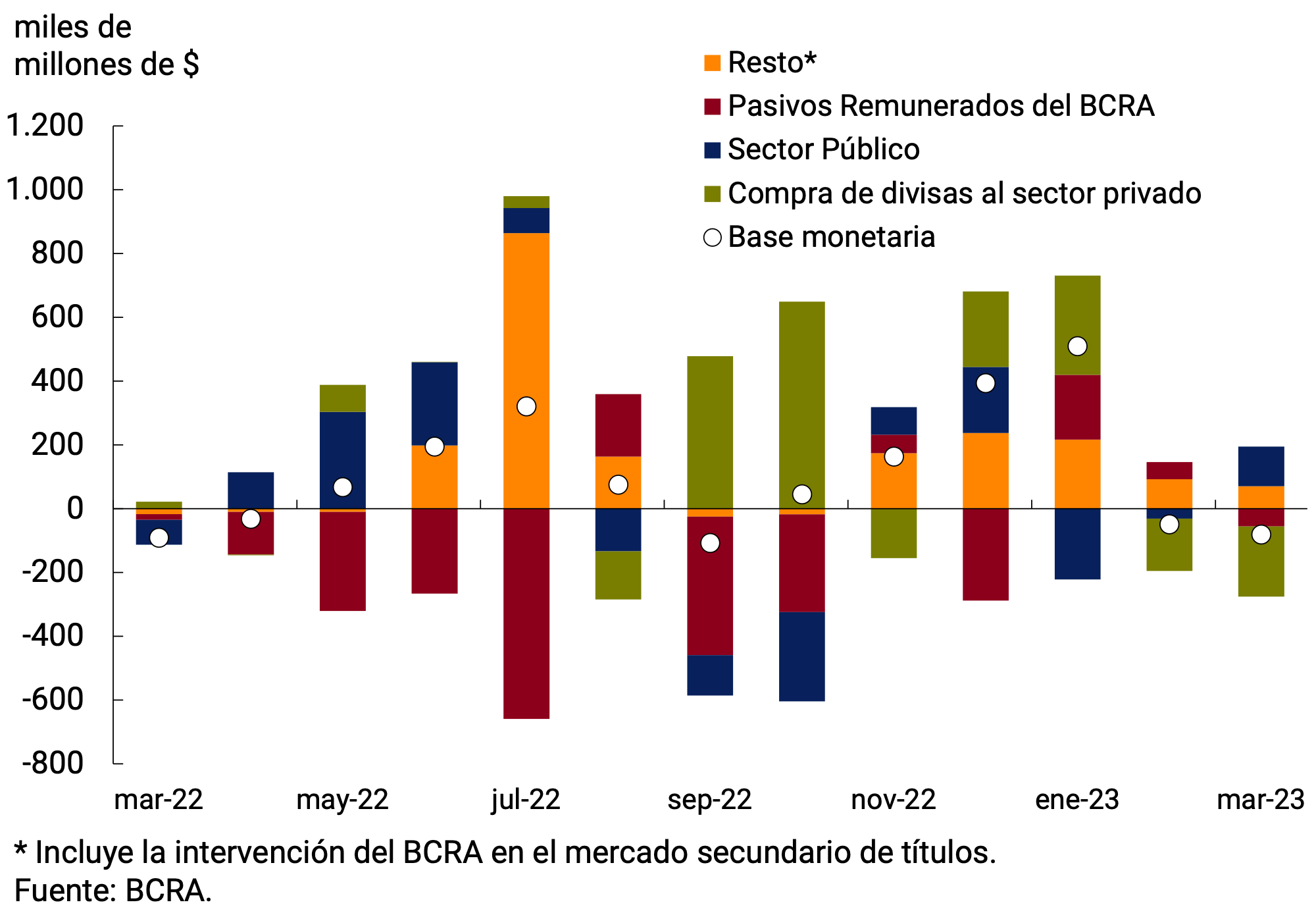
On the supply side, in order to limit excessive volatility in the secondary market for public securities, the BCRA continued to participate in that market. On the other hand, public sector operations led to an expansion of liquidity. Taken together, these effects were more than offset by the net sale of foreign currency to the private sector and, to a lesser extent, by the absorption of liquidity through monetary regulation instruments (see Figure 4.2).
In mid-March, the BCRA decided to raise the interest rate of the LELIQ by 3 p.p. to 28 days, bringing it to 78.0% n.a. (113.3% y.a.). The interest rate on the LELIQ with a 180-day term was increased by the same magnitude and stood at 86.5% n.a. (105.5% y.a.). As for shorter-term instruments, the interest rate on 1-day pass-by-passes remained at 72% n.a. (105.3% y.a.); Meanwhile, the interest rate on 1-day active passes remained at 97% n.a. (163.5% y.a.). Finally, the spread of the NOTALIQ was 8.5 p.p. in the last auction, the same value it has registered since September last year. The decision to raise the reference rates towards the end of the quarter was made considering the recent evolution and short-term prospects of inflation, the level of economic activity and the exchange market. In this way, the BCRA seeks to keep the real monetary policy interest rate in positive territory, which will contribute to preserving financial and exchange rate stability.
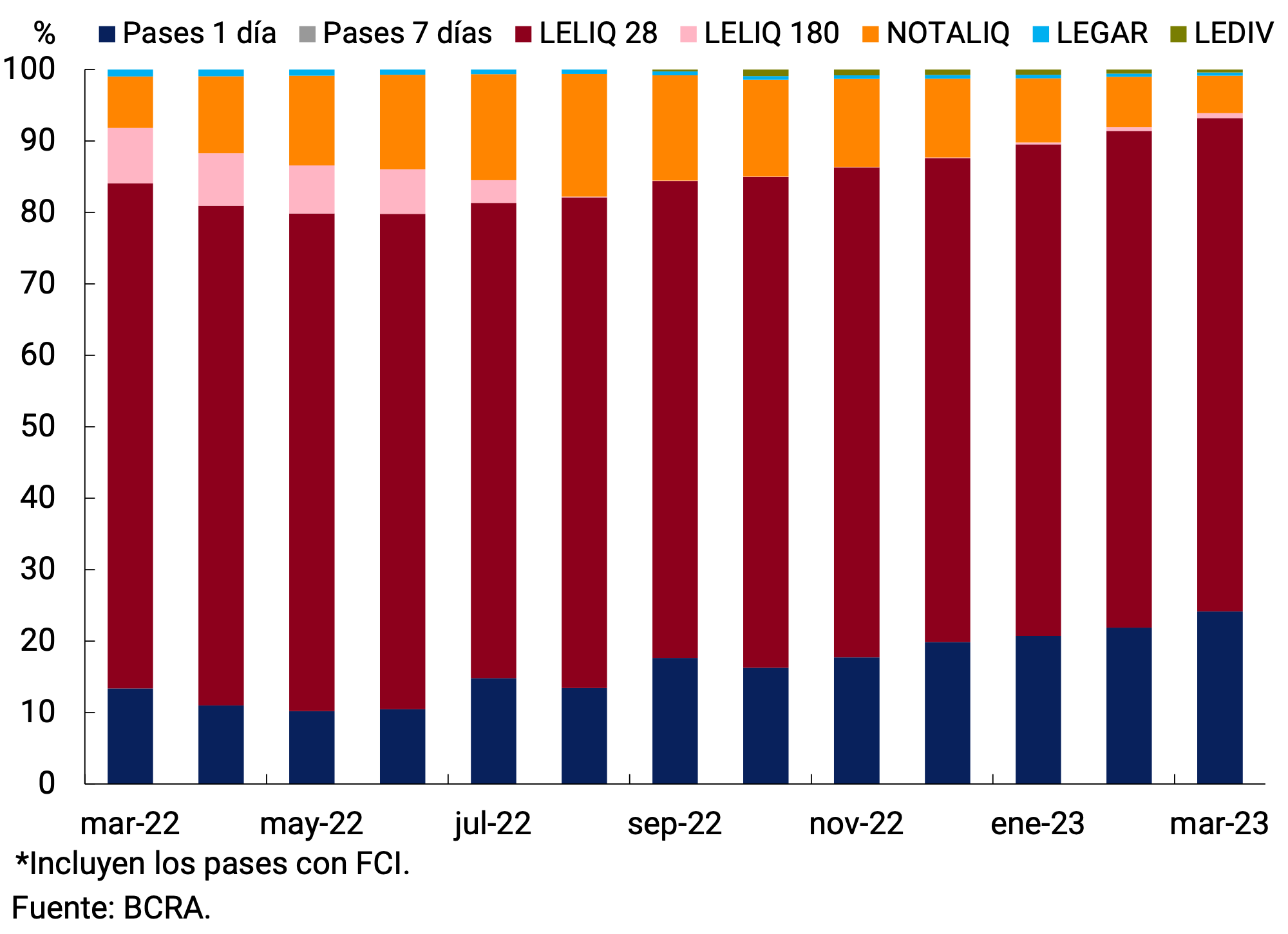
With the current availability of instruments, in March the remunerated liabilities were conformed, on average, to 69% by LELIQ with a 28-day term. The longer-term species accounted for 5.9% of the total, almost entirely concentrated in NOTALIQ. Meanwhile, 1-day pass-by-passes continued to increase their share of total instruments, representing 24.2% of the total (2.3 p.p. more than the previous month). The rest was made up of LEDIV and LEGAR, with their participation slightly decreasing compared to February (see Figure 4.3).
Figure 4.3 | Composition of Interest-Bearing Liabilities of the BCRA
Monthly Average
5. Loans to the private sector
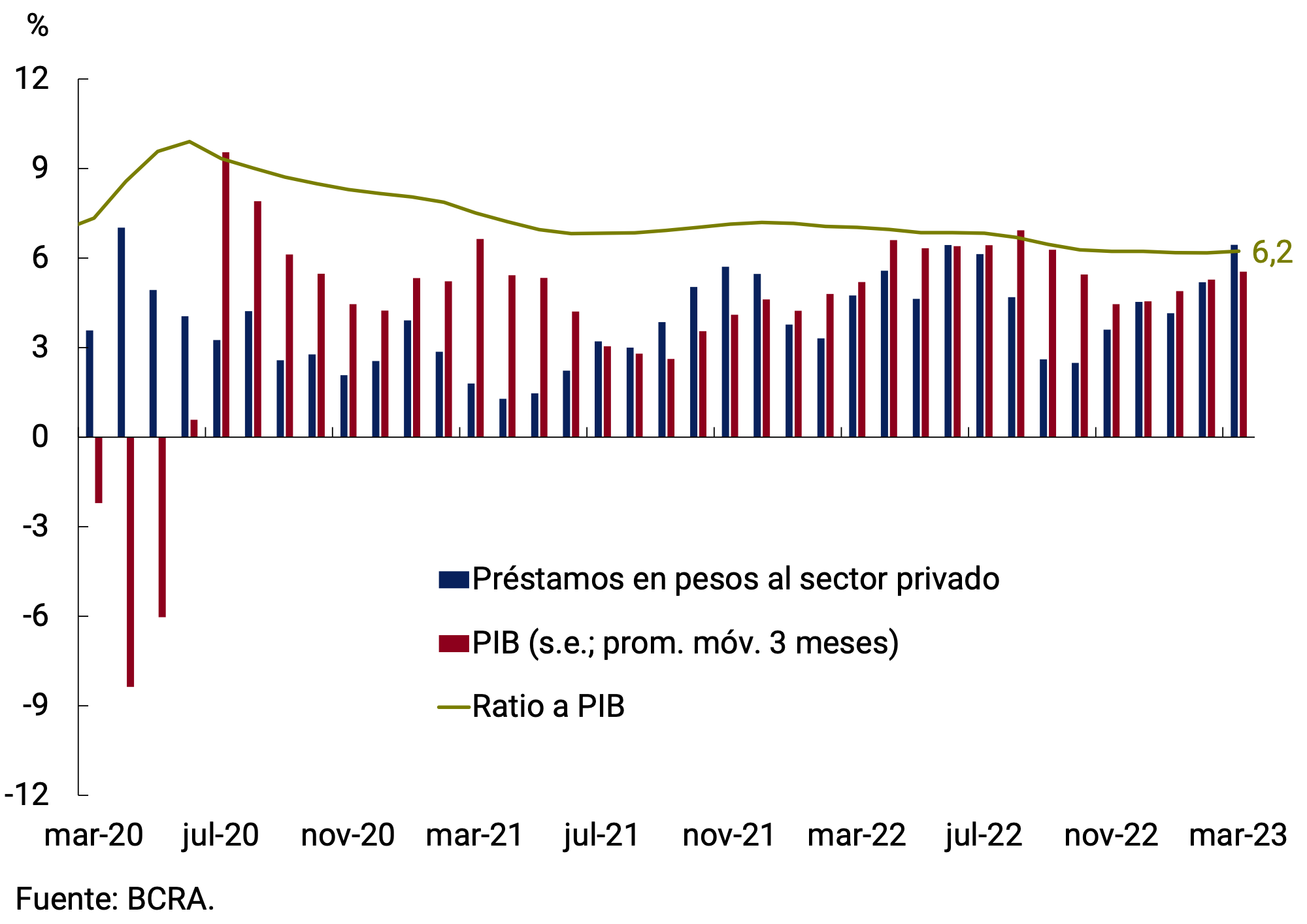
During March, loans in pesos to the private sector measured in real terms and without seasonality would have registered a new monthly contraction (-0.3%), accumulating nine consecutive months of declines. The decrease occurred in virtually all funding lines with the exception of documents (see Figure 5.1). In the last 12 months, credit would have accumulated a fall of 13.8% in real terms. Thus, loans in pesos to the private sector measured in terms of current GDP remained relatively stable in the month and stood at 6.2% (see Figure 5.2).
Figure 5.1 | Loans in pesos to the private
sector Real without seasonality; contribution to monthly growth
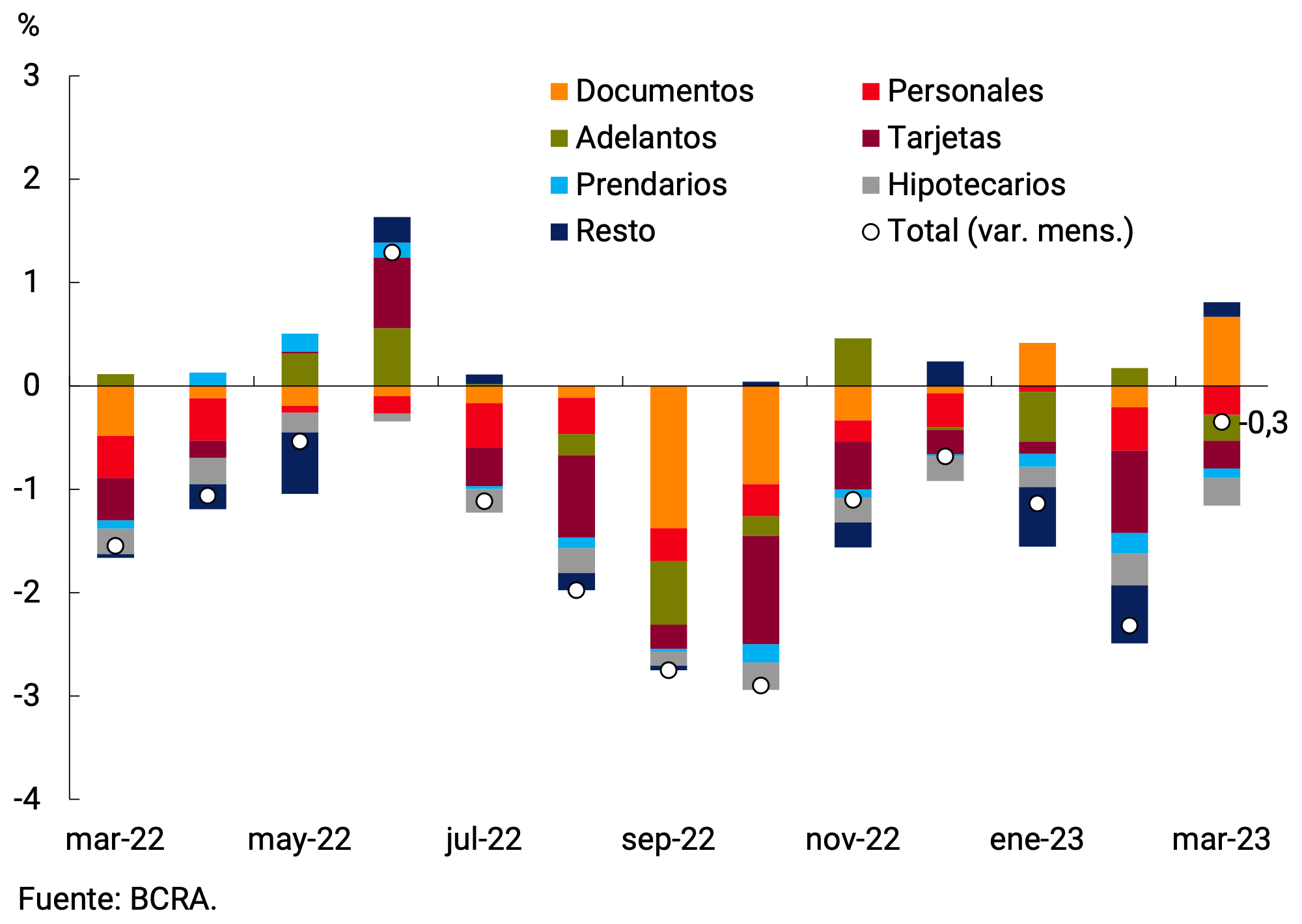
Figure 5.2 | Loans in pesos to the private
sector In terms of GDP
When looking at the evolution of loans by type of financing, lines mainly for commercial purposes would have registered a monthly expansion of 0.9% s.e. at constant prices, with a year-on-year variation of -10.3%. Among these financings, loans granted through documents would have exhibited an increase of 2.6% s.e., resulting in the only line of loans that grew in March in real terms. The boost came mainly from discounted documents (4.8% monthly), although single-signature documents also contributed positively. On the other hand, advances would have registered a fall at constant prices of 2.1% s.e. (-1.9% y.o.y.) in March.
Distinguishing trade credit by type of debtor, so far this year, there has been a contraction in financing to MSMEs in the order of 8.3% YoY at constant prices and 12.8% YoY for large companies. However, in terms of GDP, credit to relatively smaller companies was above the pre-pandemic record and its historical average. By contrast, for large firms, the credit-to-GDP ratio is at an all-time low (see Figure 5.3).
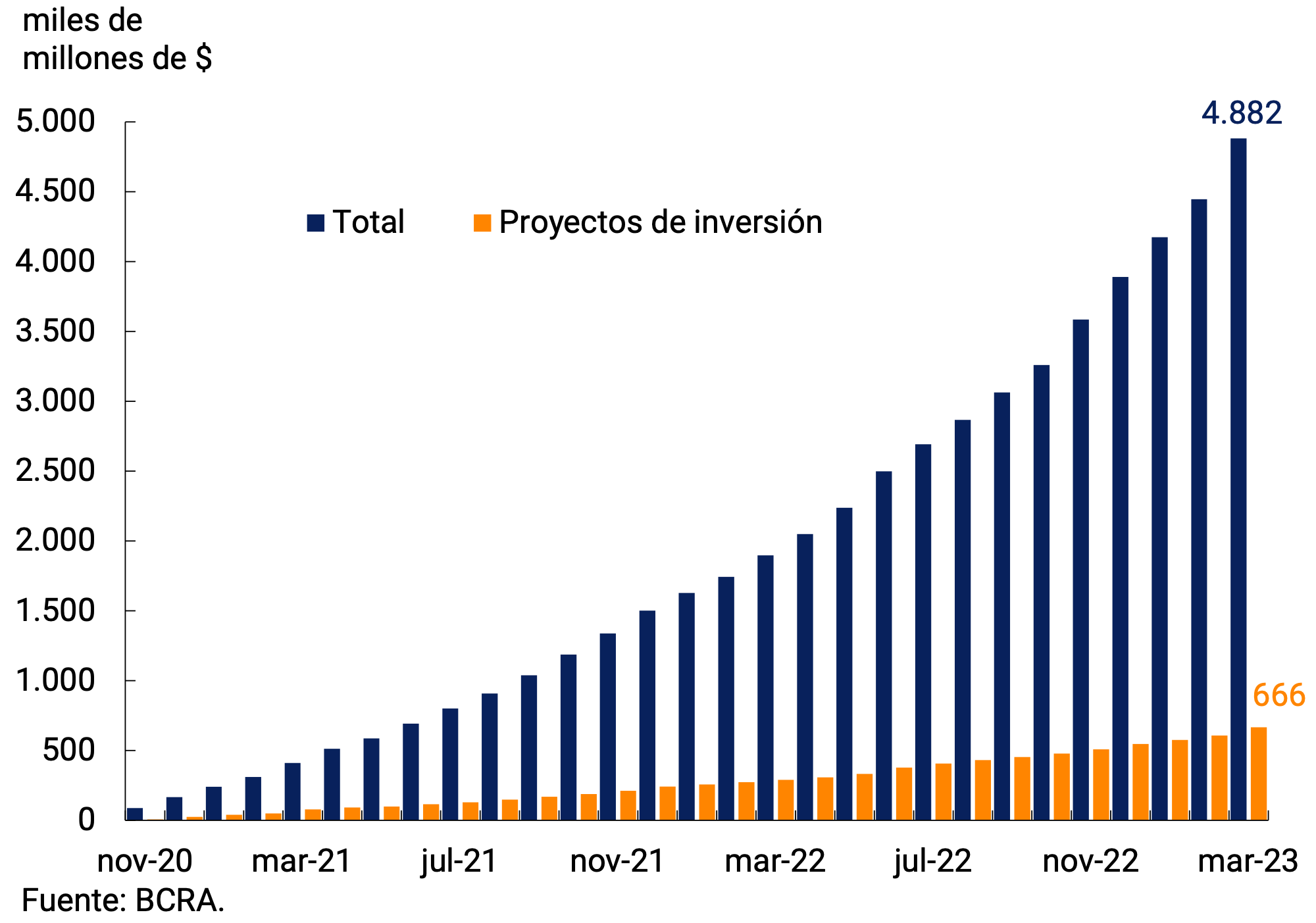
The Financing Line for Productive Investment (LFIP) continued to be the main tool used to channel productive credit to Micro, Small and Medium-sized Enterprises (MSMEs). At the end of March, loans granted under the LFIP accumulated approximately $4,882 billion since its launch, an increase of 9.8% compared to last month (see Figure 5.4). On the other hand, of the total financing granted through the LFIP, 13.6% corresponds to investment projects and the rest to working capital. It should be noted that the average balance of financing granted through the LFIP reached approximately $1,308 million in February (latest available information), which represents about 18.3% of total loans and 43.6% of total commercial loans.
It should be noted that recently, the BCRA ordered the renewal of the LFIP and established a new quota that will run from April to September of this year (2023 Quota)5. It will continue to be 7.5% of the deposits in pesos of the non-financial private sector in March 2023 for Group A financial institutions and 25% of said quota for public sector financial agents that do not belong to this group.
Figure 5.3 | Commercial Loans by Type of Debtor
As a Percentage of Product
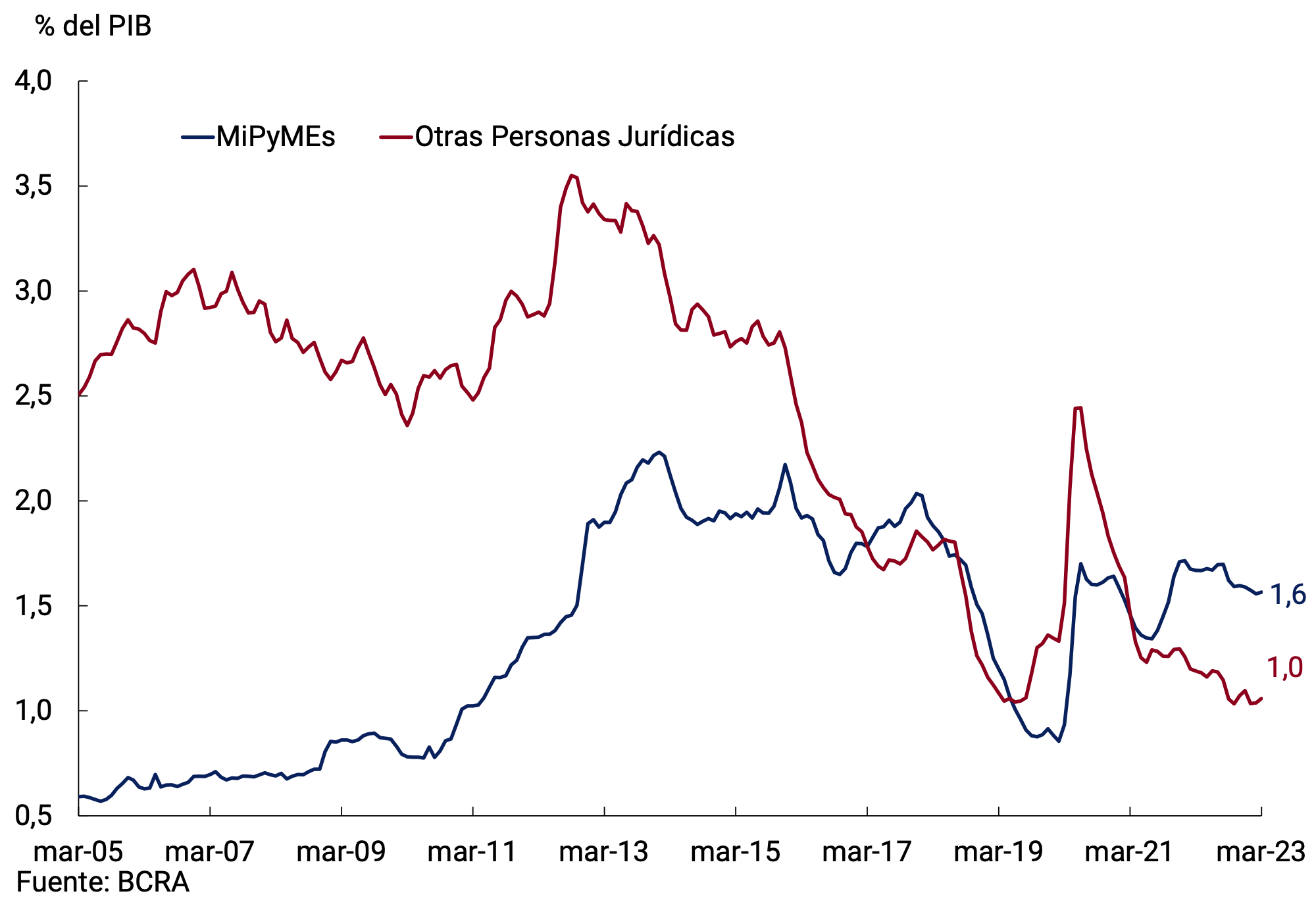
Figure 5.4 | Financing granted through the Productive Investment Financing Line (LFIP)
Accumulated disbursed amounts; data at the end of the month
With respect to loans associated with consumption, financing instrumented with credit cards would have shown a decrease in real terms of 0.9% s.e. in March (-12.3% y.o.y.). Likewise, personal loans would have exhibited a fall of 1.7% monthly and would already be 18.8% below the level recorded a year ago. During March, the interest rate corresponding to personal loans was on average 79.7% n.a. (116.4% y.a.), remaining stable compared to the previous month.
With regard to secured lines, in real terms, collateral loans would have registered a decrease of 1.4% s.e. and are 5.4% below the level of a year ago. For its part, the balance of mortgage loans would have shown a decrease of 5.0% s.e. at constant prices in the month, accumulating a contraction of 36% in the last twelve months.
6. Liquidity in pesos of financial institutions
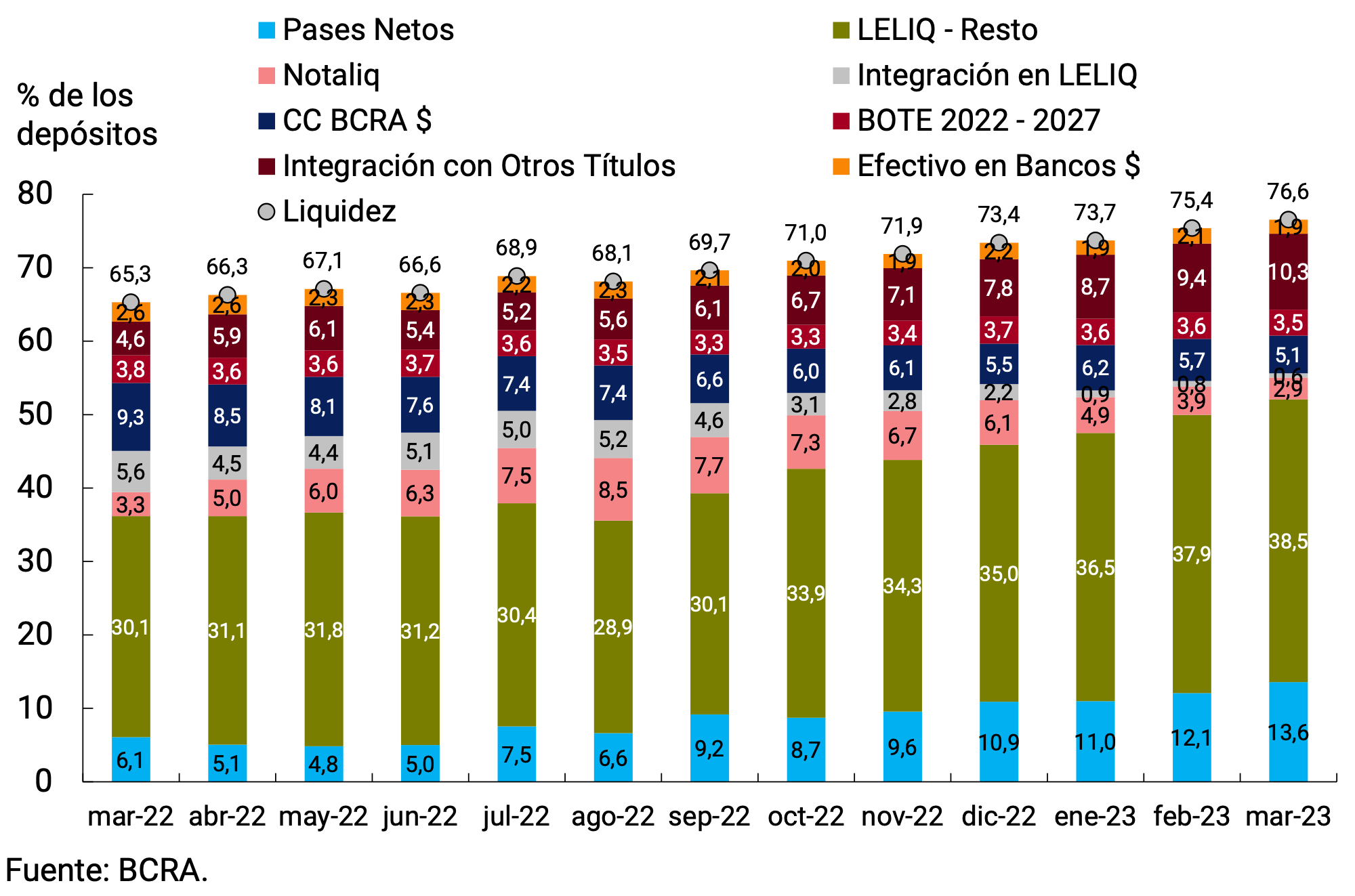
In March, ample bank liquidity in local currency6 showed an increase of 1.2 p.p. compared to February, averaging 76.6% of deposits (see Figure 6.1). In this way, it remained at historically high levels. The increase was mainly explained by the LELIQ, passive passes and integration with public securities, partially offset by the NOTALIQ and current accounts at the Central Bank.
Regarding regulatory changes with a potential impact on bank liquidity, first, it was provided that the maximum net position of LELIQ at 28 days will be determined based on the average daily balances of the total fixed-term deposits in pesos of the previous period (previously only private sector deposits were considered). Secondly, it was established that financial institutions that have a percentage of fixed-term deposits (with the rule it went from considering only private to total) on total deposits greater than or equal to 20% may have a positive net position of LELIQ at 180 days and NOTALIQ.
Thirdly, with regard to public securities admitted for minimum cash integration, it was provided that the species subscribed through exchanges must have a residual term between 300 and 730 calendar days. Finally, the maximum residual period for all species admitted for the integration of minimum cash7 was extended to 730 days.
Figure 6.1 | Liquidity in pesos of financial institutions
7. Foreign currency
In the foreign currency segment, the main assets and liabilities of financial institutions registered limited variations in the average for the month. The balance of private sector deposits averaged US$16,317 million in the month, registering a slight drop compared to February. For its part, the average monthly balance of loans to the private sector in foreign currency was US$3,683 million, thus registering an increase of US$90 million compared to the previous month, mainly explained by the behavior of single-signature documents (see Figure 7.1).
Figure 7.1 | Balance of private sector foreign currency deposits and loans
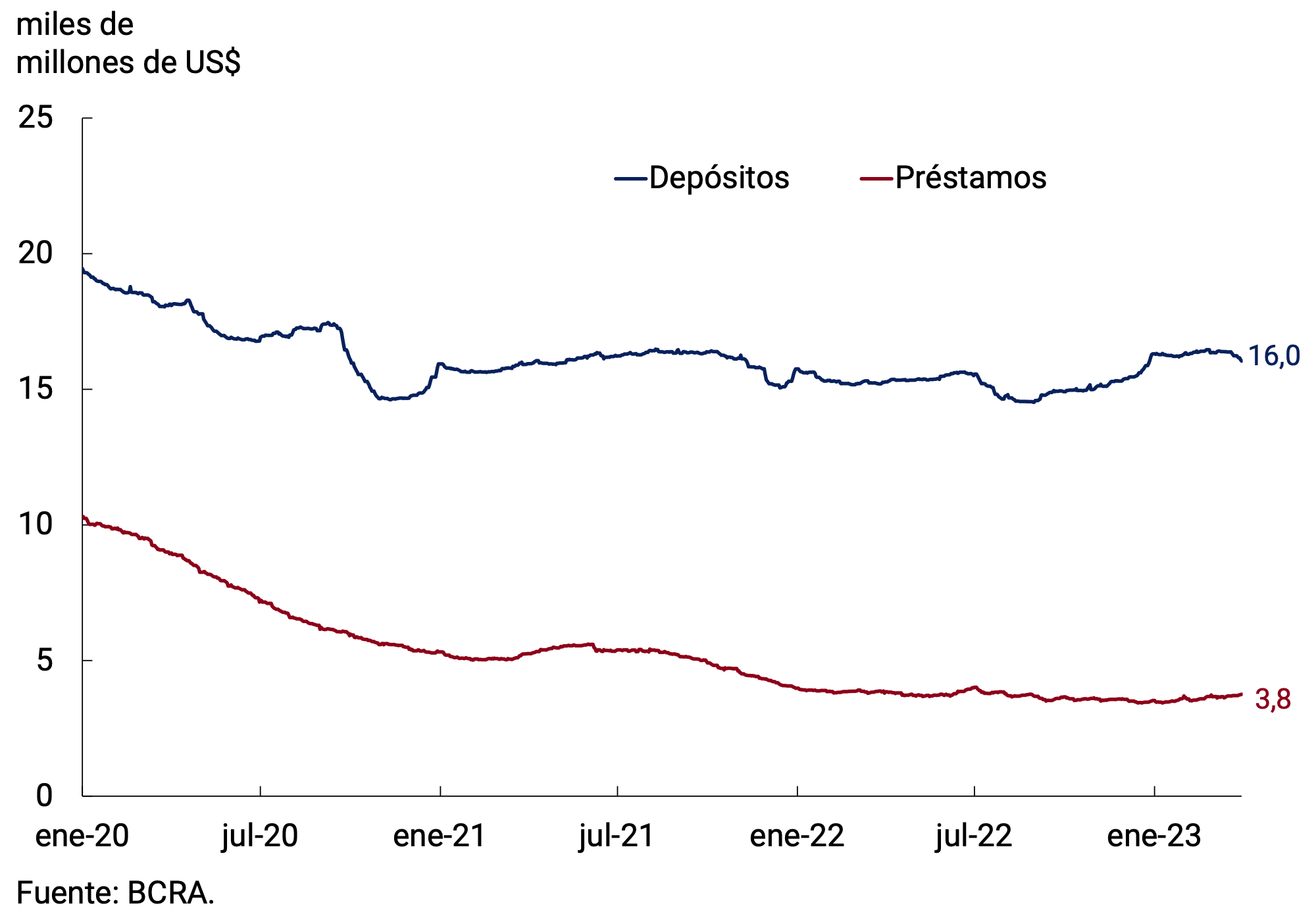
Figure 7.2 | Liquidity in foreign currency of financial institutions
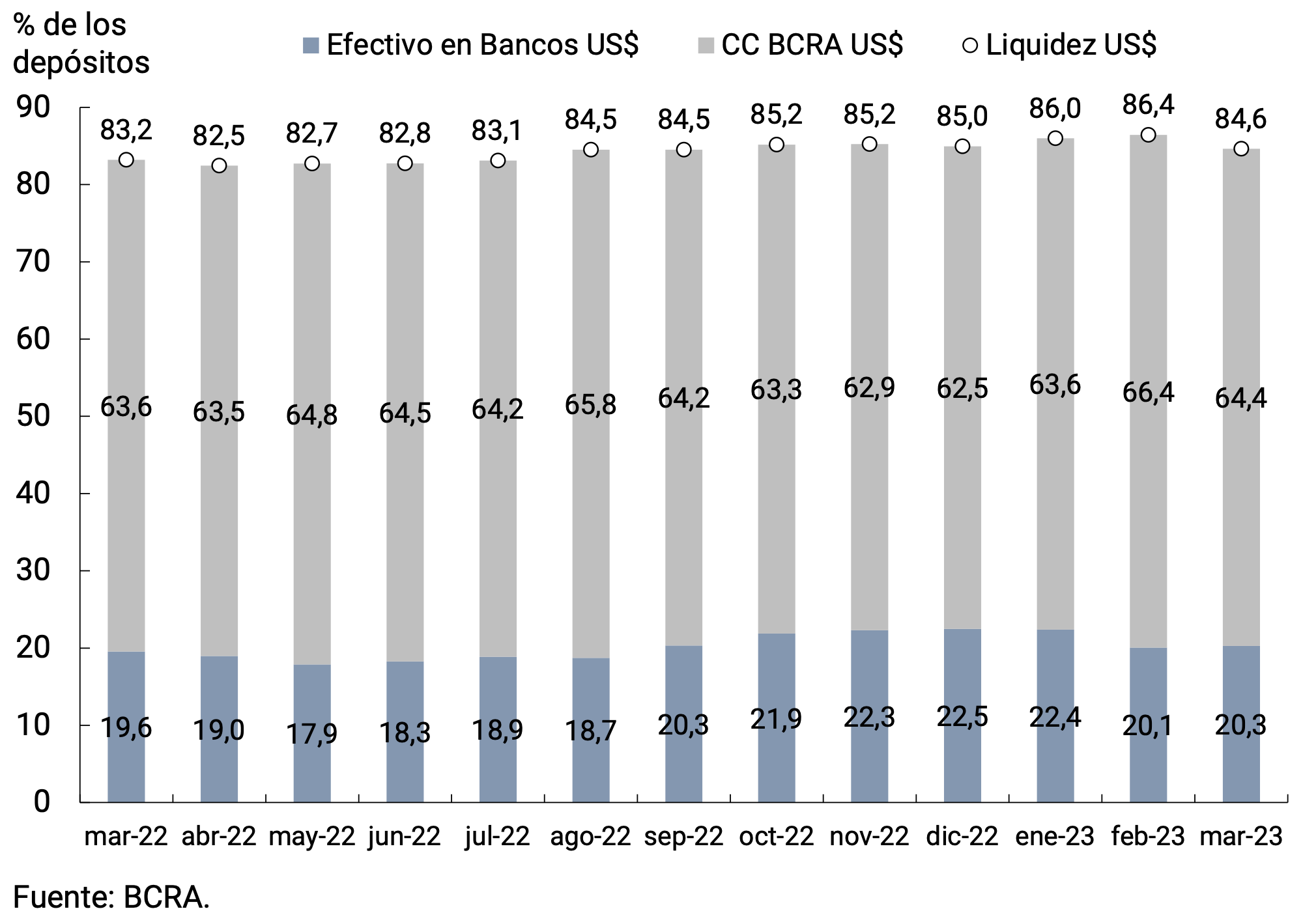
The liquidity of financial institutions in the foreign currency segment experienced a fall of 1.8 p.p. compared to the February average, standing at 84.6% of deposits and remaining at historically high levels. The movement was explained by the current accounts in foreign currency at the BCRA and was partially offset by cash in banks (see Figure 7.2).
During March, some regulatory modifications were made in foreign exchange matters. Thus, in order to allocate foreign currency more efficiently, access to the foreign exchange market for the payment of imports was made more flexible in the case of certain tariff positions referring to products and inputs related to health care or a public program for access to connectivity8. At the same time, the regulations were adapted in which access to the “Special Accounts for Exporters” was granted to public entities that received financing from international organizations,9 so that they are allowed to make debits to acquire in the foreign exchange market the amount in foreign currency necessary for the return to the financing agencies. in case there are funds that have not been used in the projects10. Finally, the direct or indirect dollarization of the beneficiaries of a pension debt regularization plan was restricted, until they pay their debt11.
The BCRA’s International Reserves reached a balance of US$39,060 million at the end of March, registering an increase of US$351 million in the month (see Figure 7.3). Among the factors that explain this rise are operations with international organizations and, in particular, with the International Monetary Fund (IMF). This increase was partially offset by foreign exchange sales to the private sector. While the rest of the components, as a whole, had a neutral impact in the month.
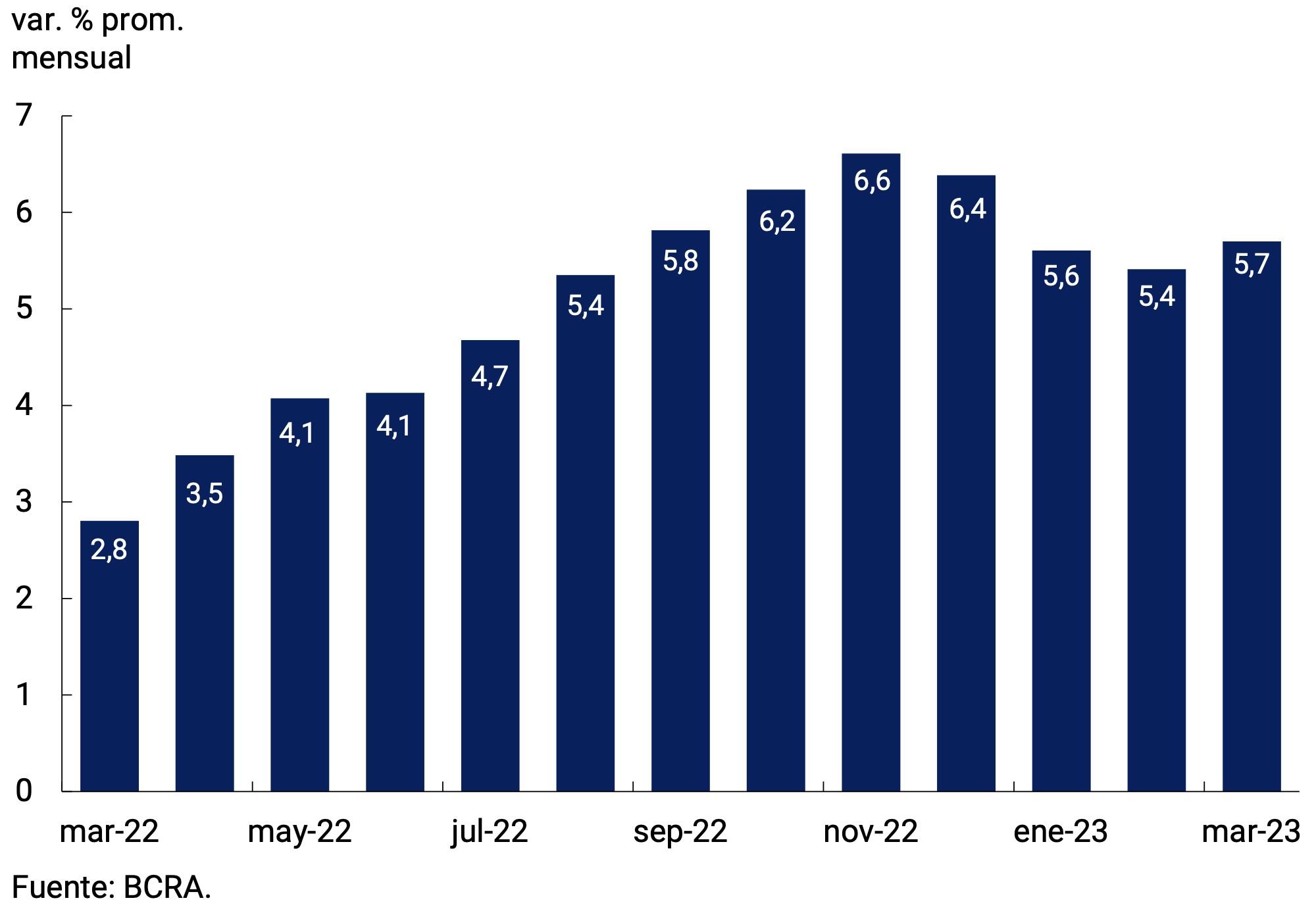
Finally, the bilateral nominal exchange rate (TCN) against the U.S. dollar increased 5.7% in March, a higher increase than in the previous month (see Figure 7.4). Thus, it was located, on average, at $202.91/US$.
Figure 7.3 | Stock of International Reserves
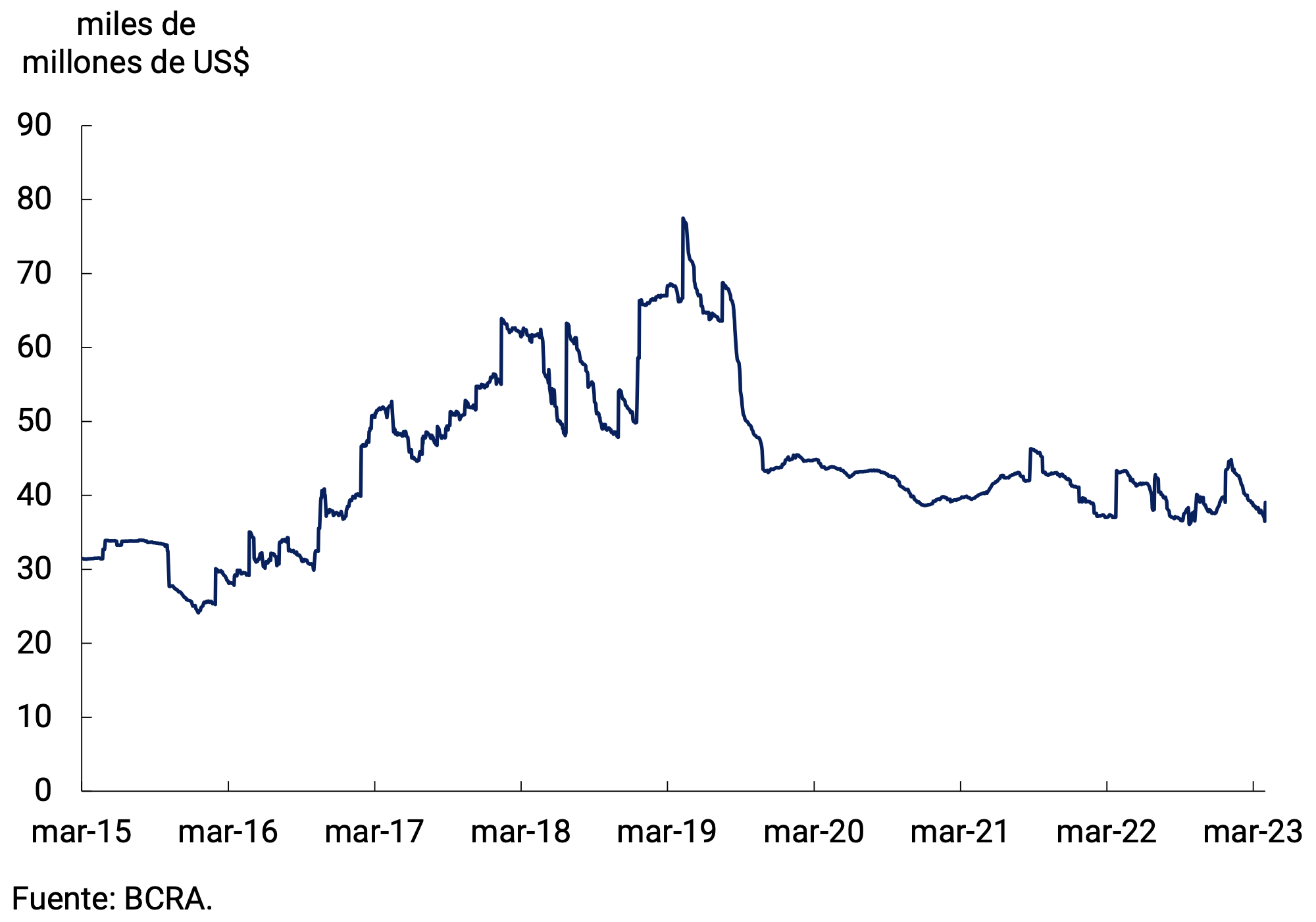
Figure 7.4 | Variation in the bilateral nominal exchange rate with the United States
Glossary
ANSES: National Social Security Administration.
AFIP: Federal Administration of Public Revenues.
BADLAR: Interest rate on fixed-term deposits for amounts greater than one million pesos and a term of 30 to 35 days.
BCRA: Central Bank of the Argentine Republic.
BM: Monetary Base, includes monetary circulation plus deposits in pesos in current account at the BCRA.
CC BCRA: Current account deposits at the BCRA.
CER: Reference Stabilization Coefficient.
NVC: National Securities Commission.
SDR: Special Drawing Rights.
EFNB: Non-Banking Financial Institutions.
EM: Minimum Cash.
FCI: Common Investment Fund.
A.I.: Year-on-year .
IAMC: Argentine Institute of Capital Markets
CPI: Consumer Price Index.
ITCNM: Multilateral Nominal Exchange Rate Index
ITCRM: Multilateral Real Exchange Rate Index
LEBAC: Central Bank bills.
LELIQ: Liquidity Bills of the BCRA.
LFIP: Financing Line for Productive Investment.
M2 Total: Means of payment, which includes working capital held by the public, cancelling cheques in pesos and demand deposits in pesos from the public and non-financial private sector.
Private M2: Means of payment, includes working capital held by the public, cancelling cheques in pesos and demand deposits in pesos from the non-financial private sector.
Private transactional M2: Means of payment, includes working capital held by the public, cancelling cheques in pesos and non-remunerated demand deposits in pesos from the non-financial private sector.
M3 Total: Broad aggregate in pesos, includes the current currency held by the public, cancelling checks in pesos and the total deposits in pesos of the public and non-financial private sector.
Private M3: Broad aggregate in pesos, includes the working capital held by the public, cancelling checks in pesos and the total deposits in pesos of the non-financial private sector.
MERVAL: Buenos Aires Stock Market.
MM: Money Market.
N.A.: Annual nominal.
E.A.: Effective Annual.
NOCOM: Cash Clearing Notes.
ON: Negotiable Obligation.
GDP: Gross Domestic Product.
P.B.: basis points.
PSP.: Payment Service Provider.
p.p.: percentage points.
MSMEs: Micro, Small and Medium Enterprises.
ROFEX: Rosario Term Market.
S.E.: No seasonality
SISCEN: Centralized System of Information Requirements of the BCRA.
SIMPES: Comprehensive System for Monitoring Payments of Services Abroad.
TCN: Nominal Exchange Rate
IRR: Internal Rate of Return.
TM20: Interest rate on fixed-term deposits for amounts greater than 20 million pesos and a term of 30 to 35 days.
TNA: Annual Nominal Rate.
UVA: Unit of Purchasing Value
References
1 Corresponds to private M2 excluding interest-bearing demand deposits from companies and financial service providers. This component was excluded since it is more similar to a savings instrument than to a means of payment.
2 The rates currently in force are those established by Communication “A” 7726.
3 The rest of the depositors are made up of Legal Entities and Individuals with deposits of more than $10 million.
4 Private M3 includes working capital held by the public and deposits in pesos of the non-financial private sector (demand, term and others).
5 Communications “A” 7720. See Regulatory Summary
6 Includes current accounts at the BCRA, cash in banks, balances of net passes arranged with the BCRA, holdings of LELIQ and NOTALIQ, and public bonds eligible for reserve requirements.
7 Communications “A” 7717. See Regulatory Summary
8 Communications “A” 7709 and Communications “A” 7733
Share on


