About the Debtors Database
What information is displayed, how to understand a credit category, and what to do with unrecognized debts or outdated information.
Overview
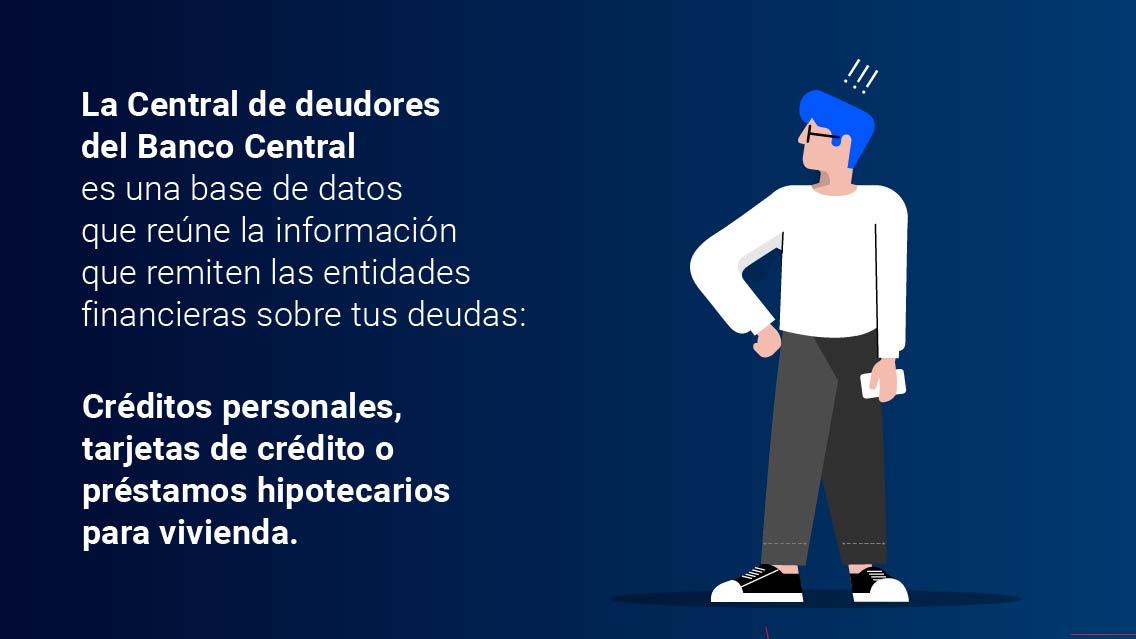
The Debtors Database of the Financial System contains information on financing reported to the BCRA by financial institutions and other credit providers.
It shows information from the past 24 months and is updated on a monthly basis.
What information is available
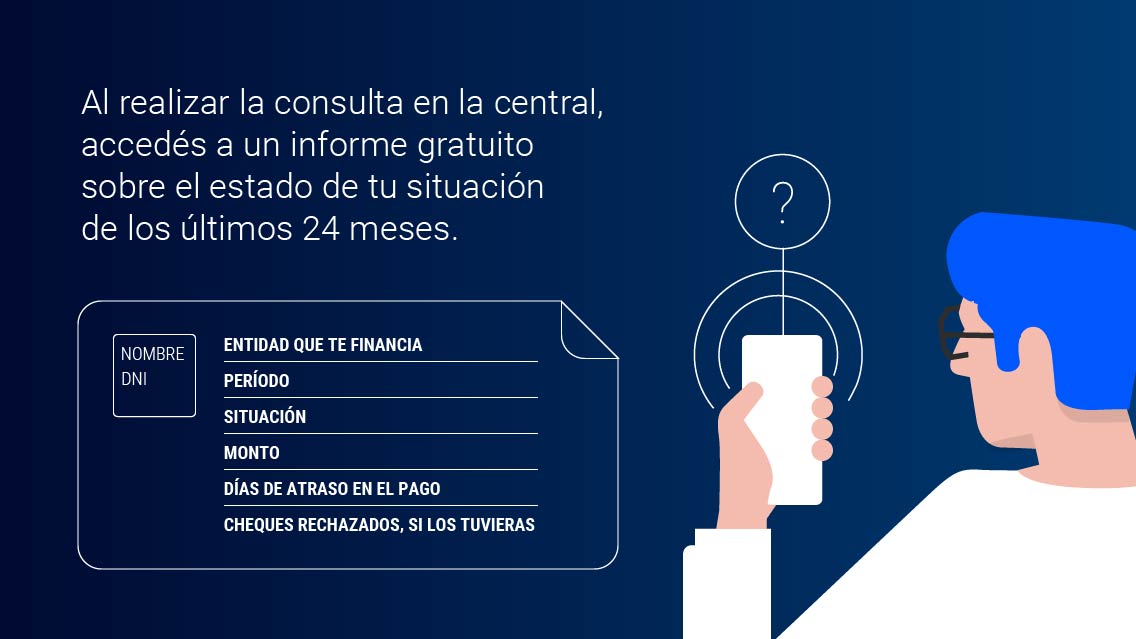
After entering a taxpayer identification code (CUIT), an employee identification code (CUIL) or an identity code (CDI), a person can find information about:
- – institution or provider that reported the financing;
- – period;
- – reported amount;
- – category;
- – days past due;
- – observations;
- – available history.
What each credit category means
Being listed in the Debtors Database does not necessarily mean that a borrower has overdue debt. Performing debtors are also listed.
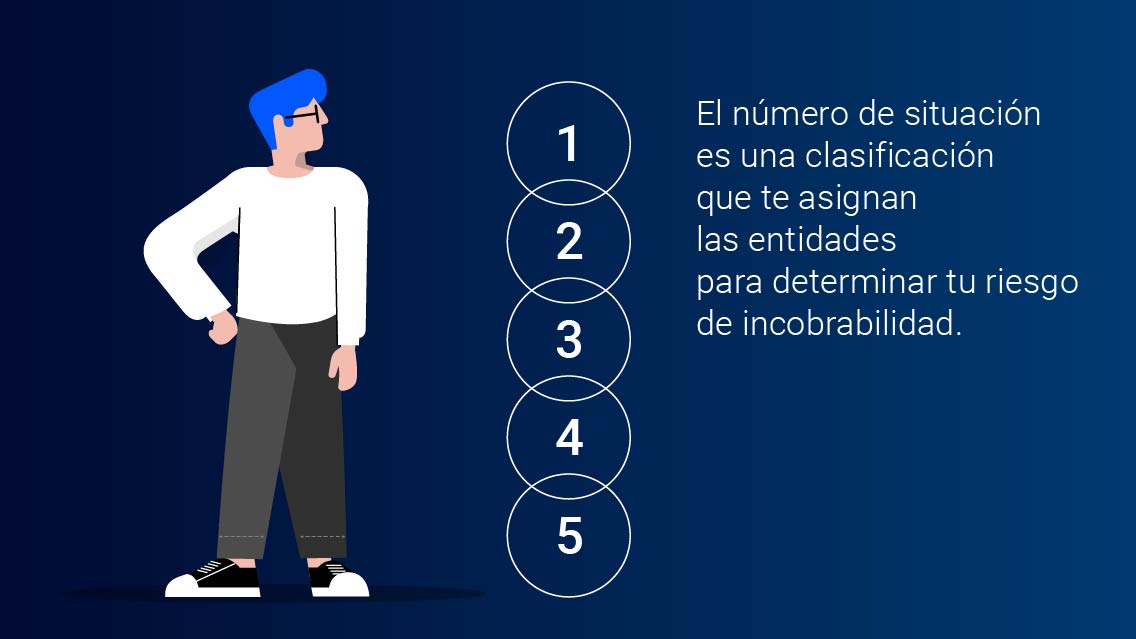
Based solely on the number of days past due:
- Category 1 | Performing: Arrears of up to 31 days.
- Category 2 | Low risk: Arrears over 31 days and up to 90 days.
- Category 3 | Medium risk: Arrears over 90 days and up to 180 days.
- Category 4 | High risk: Arrears over 180 days and up to one year.
- Category 5 | Bad debt: Arrears over one year.
A debtor’s classification is not determined solely by the number of days past due. To properly interpret the information, the reporting period and the other data provided should also be taken into account.
Unrecognized debts
It is important to check:
- – the institution or provider that reported the financing;
- – the reporting period;
- – the amount.
If a debt is not recognized, a formal complaint should be filed with the institution or provider that reported the information, keeping a record of the reference number assigned to the complaint and any response received.
Submitting a claim for fraud or scam
What if a different creditor is listed
A debt may have been assigned or transferred to another creditor. Therefore, the creditor currently listed may be different from the one that originally granted the loan.
Before making a payment or agreeing to new terms, it is important to verify the origin of the debt through official channels, the identity of the current creditor, the outstanding balance and, if a third party is involved in collection efforts, on whose behalf they are acting.
Being listed does not bar access to credit
The BCRA does not restrict individuals’ access to financing.
The information found in the Debtors Database may be considered when evaluating a loan application, but the decision to approve or deny financing rests with the financial institution or credit provider.
Outdated information
The Debtors Database is updated on a monthly basis and keeps records for the past 24 months.
If a debt was paid off or brought current after the latest reporting period, the update should be reflected in a subsequent monthly update.
The fact that a credit product continues to appear in the history does not necessarily mean that the debt is still outstanding.
If the information remains inaccurate or outdated, the first step is to file a complaint with the institution or provider that reported it.
Information in a private database
The Debtors Database and private commercial databases are separate sources of information.
The latter are not managed by the BCRA. If the disputed information appears in a private credit reporting company, the complaint should be submitted to that company.
Learn more
Information databases
Consolidated Text on Information Databases
Debtor classification
Consolidated Text on Debtor Classification
Assignment of loan portfolios
Consolidated Text on Assignment of Loan Portfolios
Personal data protection